

AI is revolutionizing night photography, making it easier than ever to capture stunning images in low-light conditions. From intelligent noise reduction and exposure optimization to automatic star detection and light trail enhancement, AI tools are helping photographers overcome the unique challenges of night photography. These technologies enable photographers to capture the magic of the night with unprecedented clarity and detail, even in near-total darkness.
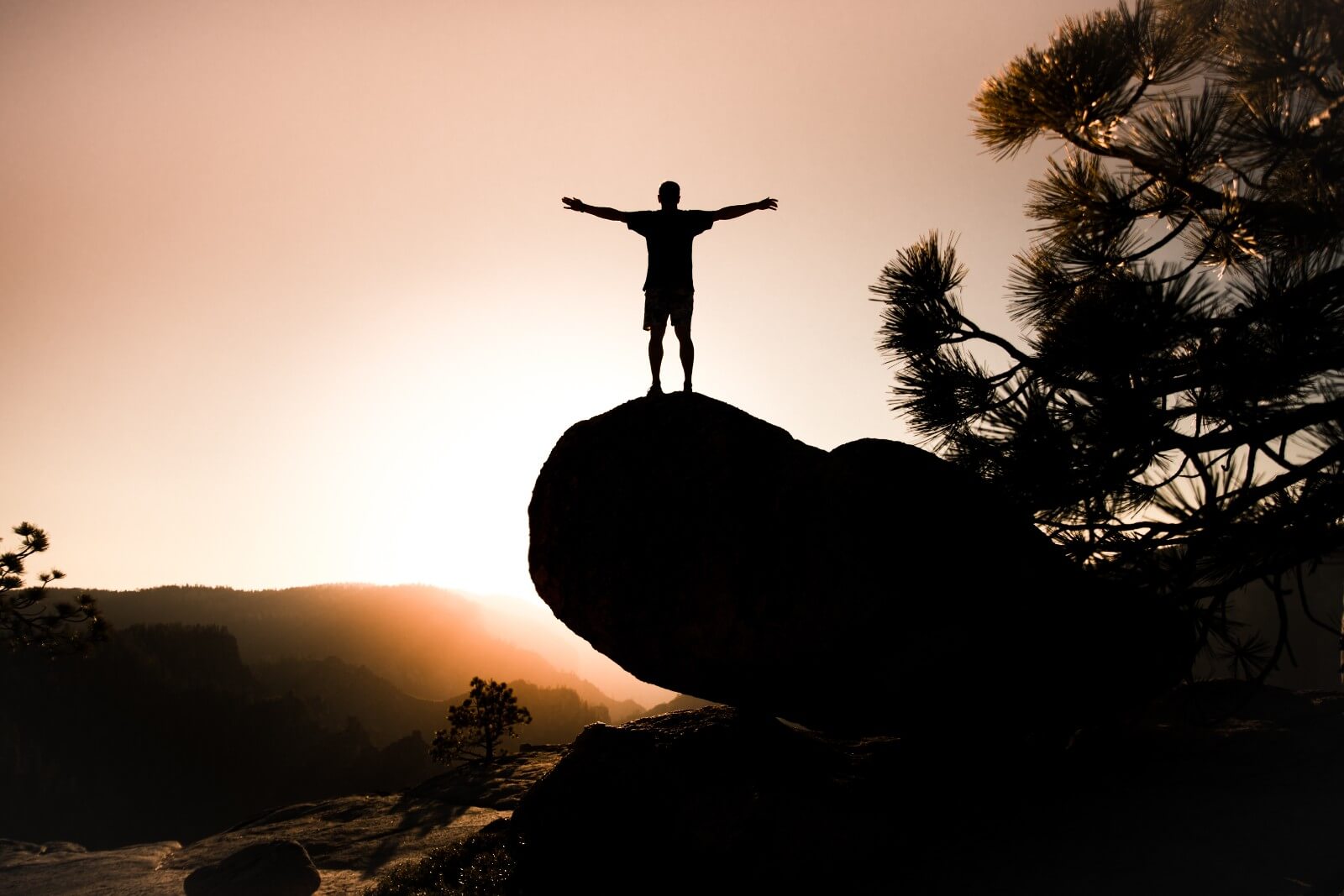
Modern AI night photography tools can analyze extremely dark scenes in real-time, identifying light sources, understanding exposure requirements, and optimizing camera settings for maximum detail. These systems learn from millions of night photographs, understanding the visual language of low-light photography—star patterns, light trails, and the subtle glow that makes night images truly magical. Whether you're shooting cityscapes, star fields, or aurora borealis, AI assistants can help you achieve results that were previously impossible.
The impact of AI on night photography extends beyond just capturing images. Advanced systems can now help with post-processing tasks like noise reduction, light trail enhancement, and even creating long-exposure effects from single shots. This assistance is particularly valuable for night photographers who often need to work with extremely long exposures or combine multiple images to achieve desired results.
"Night photography reveals a different world that comes alive after dark. AI tools help photographers capture this world with clarity and detail that was once the domain of only the most experienced specialists with expensive equipment."
Essential AI features for night photographers:
- Automatic noise reduction and detail enhancement
- Intelligent exposure optimization and light trail capture
- Star detection and celestial object enhancement


The Technology Behind AI Night Photography
At the core of modern AI night photography tools are sophisticated computer vision algorithms that can analyze extremely low-light scenes with remarkable sensitivity. These systems use neural networks trained on vast datasets of night images to recognize stars, understand light patterns, and identify optimal exposure settings. The technology has advanced to the point where AI can capture and enhance light that would be invisible to the human eye, creating stunning nightscapes from minimal light.
import cv2
import numpy as np
from tensorflow.keras.models import load_model

# Load AI night photography assistant
night_model = load_model('night_photography_assistant.h5')

def enhance_night_scene(image):
    # Analyze light sources and exposure
    light_sources = detect_lights(image)
    exposure = analyze_exposure(image)

    # Apply AI enhancements
    enhanced = night_model.predict({
        'image': image,
        'lights': light_sources,
        'exposure': exposure,
        'noise_level': estimate_noise(image)
    })

    return enhanced
Full Width Night Photography Showcase
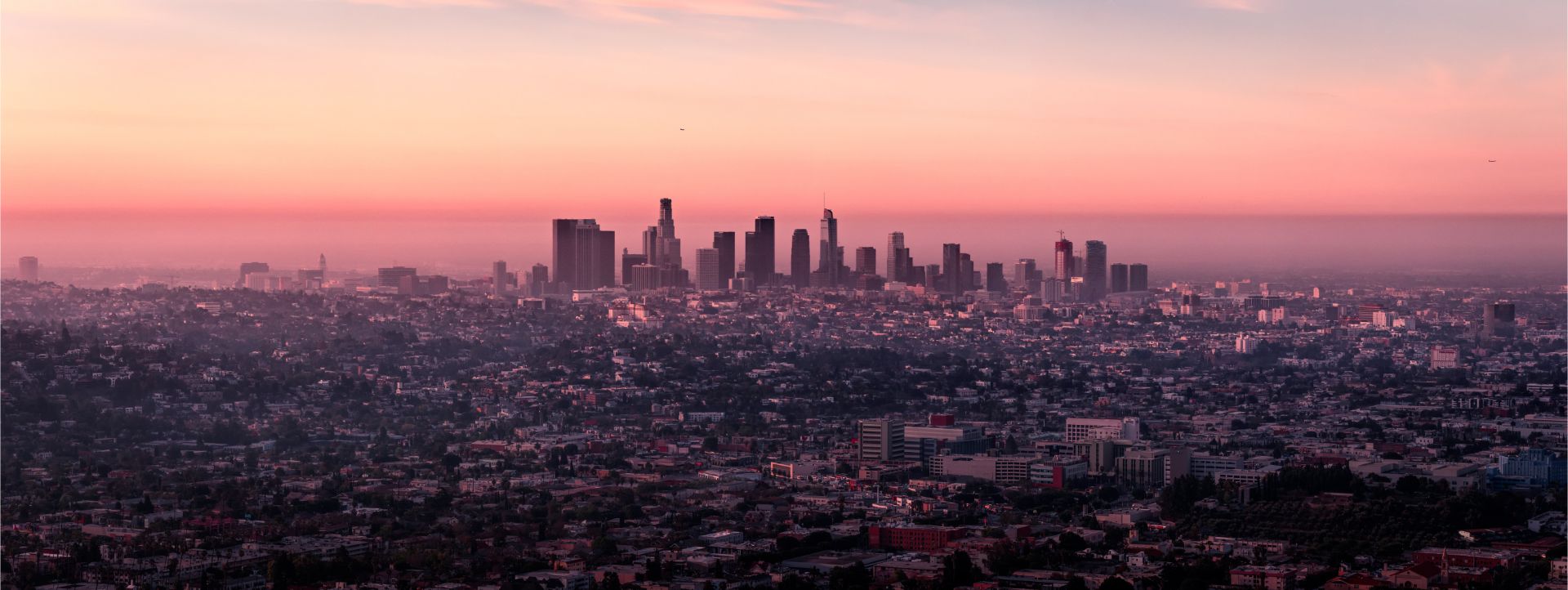
The landscape of AI night photography tools is diverse, ranging from smartphone apps with intelligent night modes to professional cameras with built-in AI low-light capabilities. Modern smartphone cameras from companies like Google, Apple, and Samsung have integrated AI features specifically designed for night photography, while dedicated camera systems offer advanced noise reduction and long-exposure simulation.
For night photographers, AI tools offer significant advantages in capturing quality images in challenging low-light conditions. Features like intelligent noise reduction help maintain detail while minimizing grain, while automatic exposure optimization ensures proper brightness without overexposing highlights. These capabilities are particularly valuable when shooting in extremely dark environments where traditional photography would require long exposures and specialized equipment.
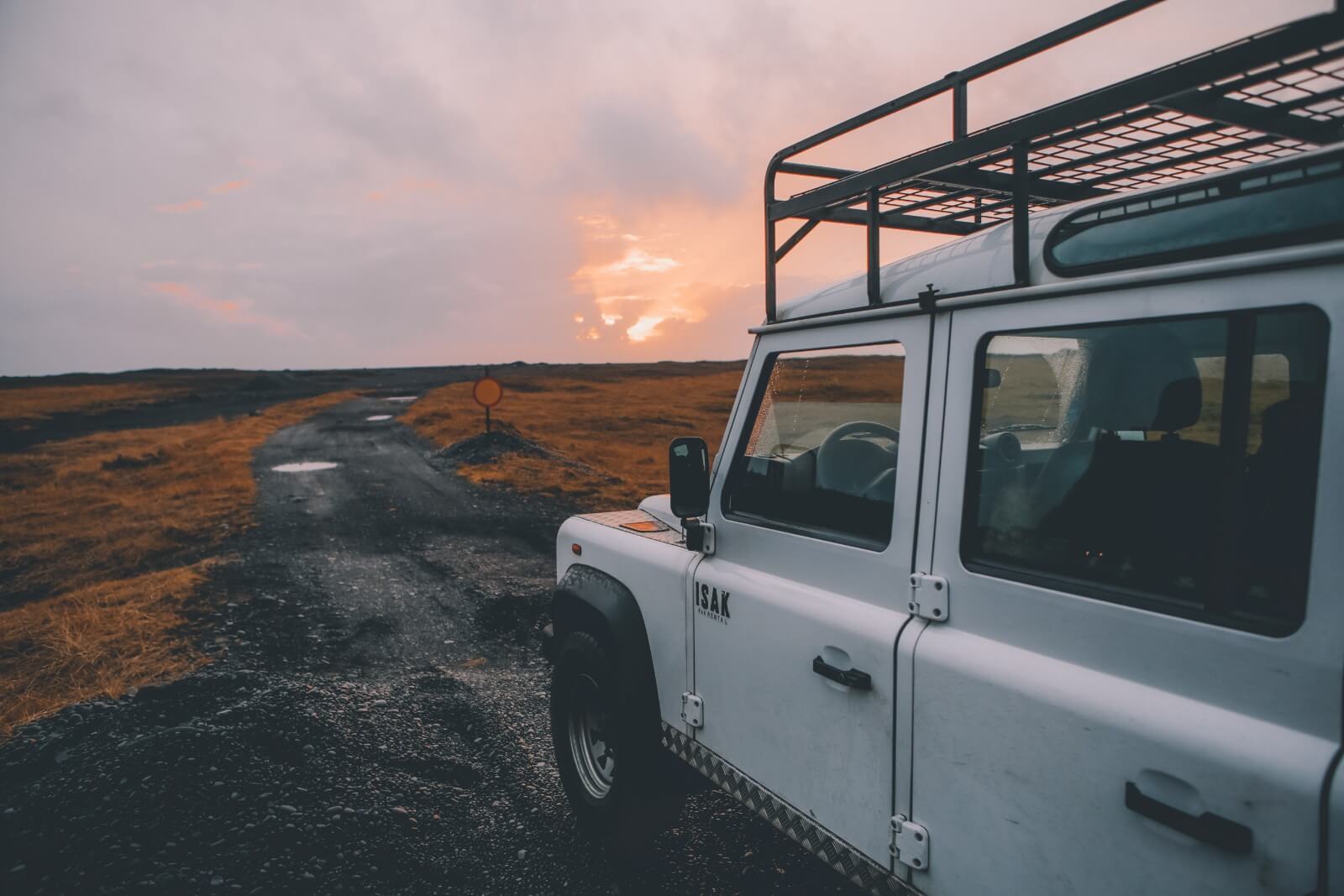
When using AI for night photography, it's important to maintain the natural beauty and mystery of the night. The goal should be to enhance visibility and detail without creating artificial or overly bright images that lose the atmosphere of darkness. The most successful AI-assisted night photographs are those that reveal the magic of the night while preserving its natural character.
AI is not replacing the photographer's understanding of night photography, patience, or appreciation for the cosmos—it's providing powerful tools that help realize that vision more effectively. The human elements of night photography—knowing the sky, understanding celestial patterns, and finding the right locations—remain as important as ever.
The future of night photography lies in this harmonious integration of AI technology and astronomical passion. Photographers who embrace these tools while maintaining their deep connection to the night sky will be well-positioned to create stunning, magical images that capture the wonder of darkness.
Sunilas Max
Sunilas Max is a UI/UX designer focused on creating accessible and inclusive digital experiences for all users.