

Black and white photography strips away the distraction of color, revealing the fundamental elements of composition—form, texture, and light. This timeless medium has a unique ability to convey emotion and mood, creating images that are both classic and contemporary. Whether you're converting color images or shooting directly in monochrome, understanding the principles of black and white photography will elevate your work.
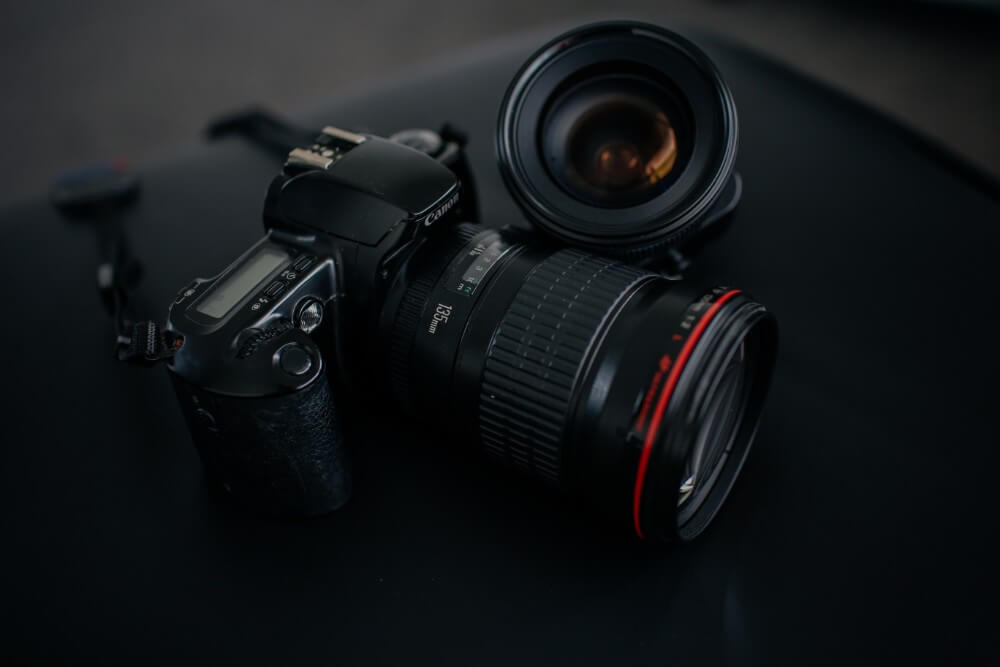
Learning to see in black and white is perhaps the most important skill for this genre. Without color to rely on, you must train your eye to recognize tonal contrasts, textures, and forms that will translate effectively to grayscale. Look for scenes with strong light and shadow, interesting textures, and clear shapes. The best black and white images often have subjects that are equally or more compelling without color.
Contrast is the foundation of black and white photography. Understanding how different colors convert to different gray values helps you predict which scenes will work well in monochrome. Reds and oranges tend to become lighter grays, while blues and greens become darker. This knowledge allows you to choose scenes with natural tonal contrast that will create dynamic black and white images.
"Black and white photography is about distilling an image to its essence. Without the distraction of color, viewers focus more on composition, emotion, and the fundamental elements that make a photograph compelling."
Essential techniques for black and white photographers:
- Train your eye to see in grayscale
- Look for strong contrast and texture
- Master conversion and processing techniques


Camera Settings for Monochrome
Many modern cameras offer a black and white shooting mode that can help you visualize scenes in grayscale. This mode displays images in black and white on your camera's LCD, helping you learn to see in monochrome. However, shooting in color and converting later gives you more control over the final result, as you can adjust how each color channel converts to gray. Consider both approaches depending on your workflow and preferences.
# Black and white conversion calculator
def bw_conversion_settings(scene_type, mood):
    """
    Calculate optimal conversion settings for black and white
    """
    if scene_type == 'high_contrast':
        return {
            'red_channel': '100%',
            'green_channel': '100%',
            'blue_channel': '100%',
            'contrast': '+20',
            'clarity': '+15'
        }
    elif scene_type == 'soft_portrait':
        return {
            'red_channel': '80%',
            'green_channel': '100%',
            'blue_channel': '120%',
            'contrast': '+10',
            'clarity': '+5'
        }
    else:
        return {
            'red_channel': '100%',
            'green_channel': '100%',
            'blue_channel': '100%',
            'contrast': '+15',
            'clarity': '+10'
        }
Composition in Black and White

Composition principles become even more important in black and white photography, as color can't compensate for weak composition. The rule of thirds works beautifully for arranging tonal elements within your frame. Leading lines guide the viewer's eye through your image, creating visual flow and interest. Negative space becomes particularly powerful in monochrome, creating mood and emphasis through areas of pure black or white.
Texture and pattern are emphasized in black and white photography. Without color to distract, viewers notice surface qualities more acutely. Look for subjects with interesting textures—rough stone, smooth metal, fabric, or natural materials. Patterns and repetition create visual rhythm and interest that's particularly effective in monochrome. These elements add depth and complexity to your black and white images.

Light and shadow are the primary tools for creating drama in black and white photography. High-contrast scenes with deep blacks and bright whites create powerful, dynamic images. Softer, more even lighting produces subtle, nuanced photographs that emphasize form and texture. Understanding how to work with different lighting conditions will make you a more versatile black and white photographer.
Subject choice is crucial for successful black and white photography. Some subjects naturally lend themselves to monochrome—architecture, portraits, landscapes with strong forms, and scenes with dramatic lighting. Other subjects might rely heavily on color for their impact. Learning to recognize which scenes will work well in black and white will save you time and result in more successful images.
Post-processing is an essential part of black and white photography. Channel mixing allows you to control how each color converts to gray, giving you precise control over tonal relationships. Adjusting contrast and clarity enhances the impact of your monochrome images. Dodging and burning can guide the viewer's eye and emphasize important elements. The goal is to create images that are compelling and emotionally resonant in grayscale.
Converting color images to black and white is both a technical and creative process. Simple desaturation often produces flat, lifeless images. Instead, use channel mixing to control how colors convert to gray values. Consider the mood you want to create—warmer conversions often feel nostalgic, while cooler conversions feel more contemporary. Experiment with different approaches to find what works best for each image.
Themeix
Themeix is a creative agency crafting beautiful Jekyll themes and modern web solutions for businesses worldwide.