

AI has transformed landscape photography, making it easier to capture breathtaking images of nature's most stunning scenes. From intelligent sky replacement and atmospheric enhancement to dynamic range optimization and detail enhancement, AI tools are helping photographers overcome common challenges in landscape photography. These technologies enable photographers to achieve results that were previously difficult or impossible to capture in a single shot.
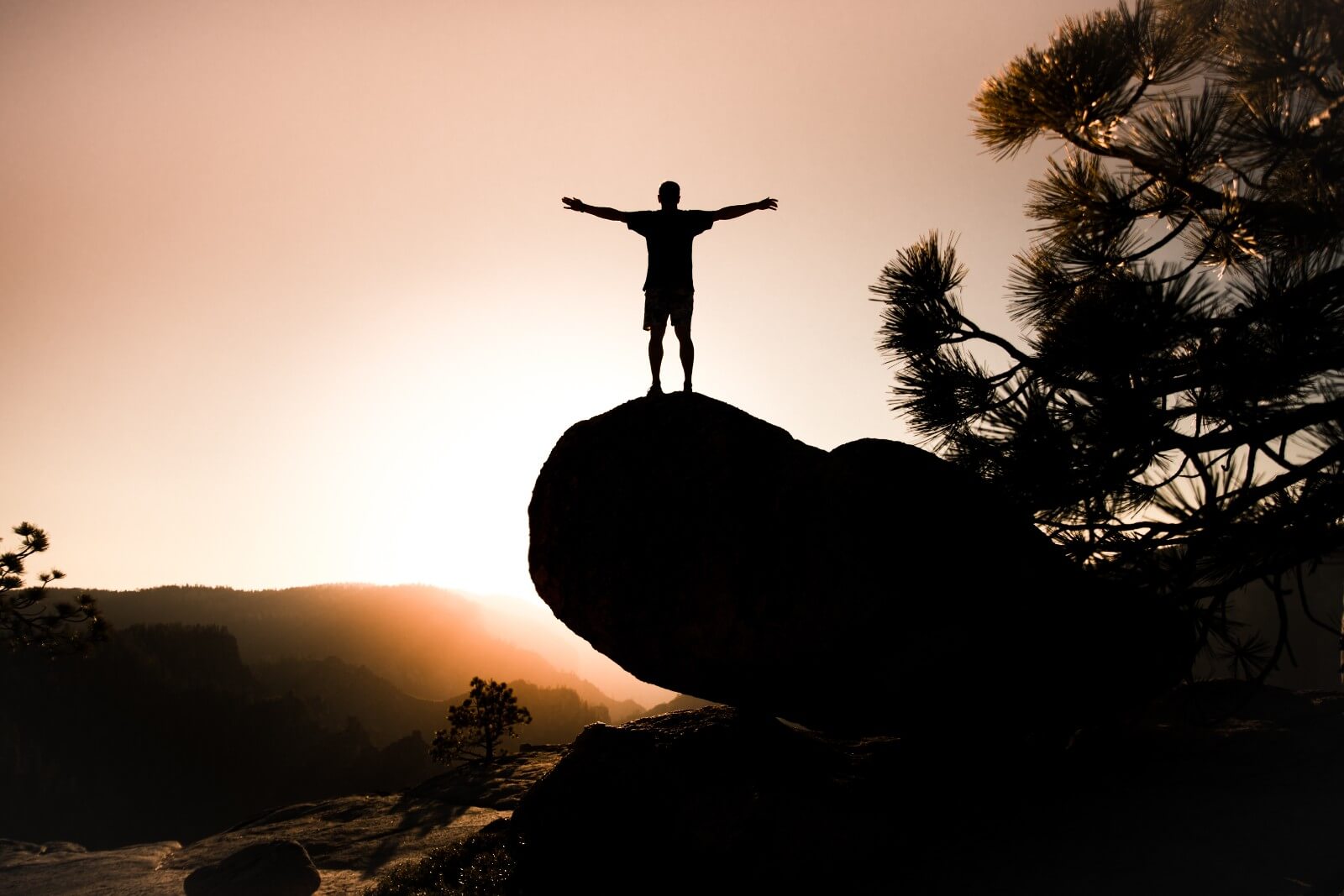
Modern AI landscape tools can analyze complex scenes, understanding elements like sky, terrain, water, and vegetation. This deep understanding enables features like automatic sky replacement, which can transform dull overcast days into dramatic sunset scenes, and intelligent atmosphere enhancement, which can add depth and mood to flat lighting conditions. The technology continues to advance, with newer models capable of handling increasingly complex scenarios.
One of the most significant impacts of AI in landscape photography is the ability to overcome the limitations of camera sensors. Through techniques like multi-frame HDR processing, AI can capture and combine multiple exposures to preserve detail in both highlights and shadows. This computational approach to photography is particularly valuable in high-contrast scenes like sunrises, sunsets, and dramatic weather conditions.
"The best landscape photographs capture not just what we see, but what we feel. AI tools help photographers translate the emotional impact of a scene into the final image, bridging the gap between human experience and technical capture."
Essential AI features for landscape photographers:
- Automatic sky replacement and enhancement
- Dynamic range optimization and HDR processing
- Atmospheric effects and mood enhancement



The Technology Behind AI Landscape Enhancement
At the core of modern AI landscape tools are sophisticated neural networks trained specifically on natural scenes. These systems learn to recognize patterns in skies, terrain, water, and vegetation, understanding how light interacts with different elements of a landscape. The technology has advanced to the point where AI can make enhancements that maintain the natural character of a scene while dramatically improving its visual impact.
import cv2
import numpy as np
from tensorflow.keras.models import load_model

# Load AI landscape enhancement model
landscape_model = load_model('landscape_enhancer.h5')

def enhance_landscape(image_path):
    # Load and preprocess image
    image = cv2.imread(image_path)

    # Detect sky and ground regions
    sky_mask = detect_sky(image)
    ground_mask = ~sky_mask

    # Apply AI enhancements to each region
    enhanced_sky = enhance_sky_region(image, sky_mask)
    enhanced_ground = enhance_ground_region(image, ground_mask)

    # Combine results
    result = combine_regions(enhanced_sky, enhanced_ground)
    return result
Full Width Landscape Photography Showcase
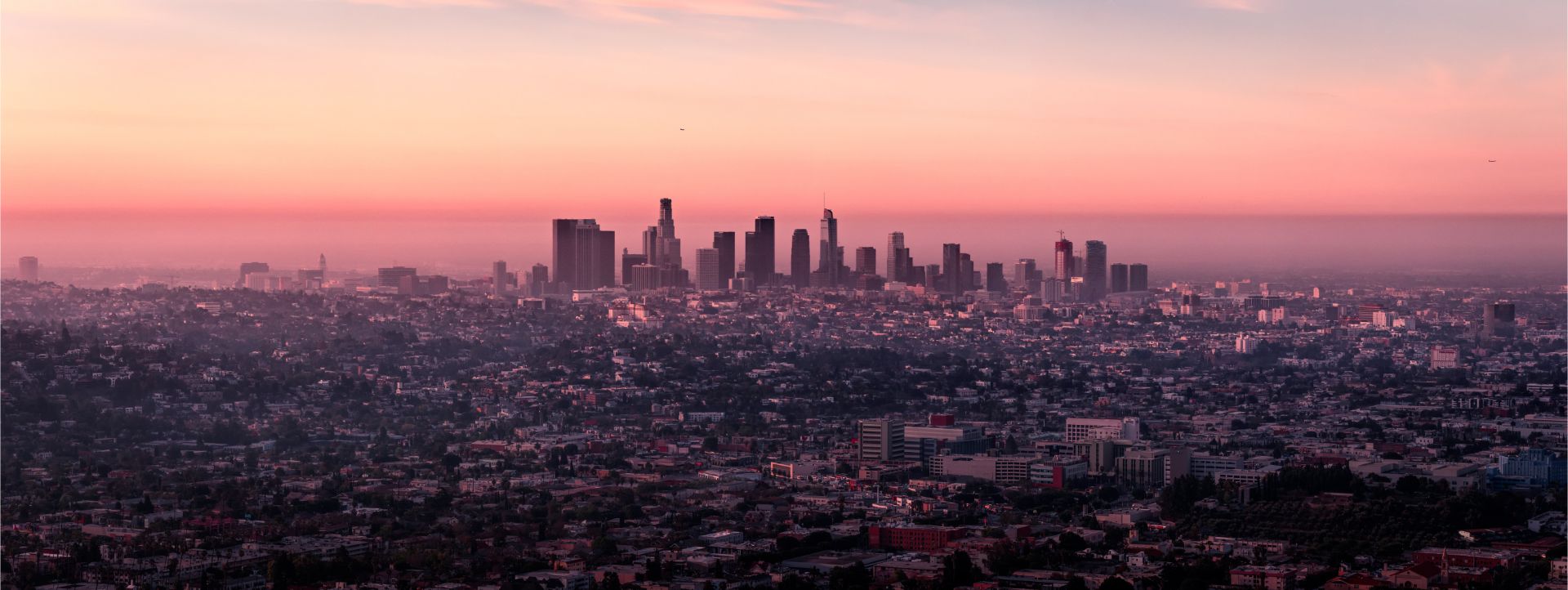
The landscape of AI photography tools is diverse, ranging from mobile apps with one-tap enhancements to professional software with granular control. Popular platforms like Luminar AI, Skylum, and specialized landscape tools have integrated AI features deeply into their workflows, while mobile apps like Lightroom Mobile bring powerful landscape enhancements to smartphones.
For landscape photographers, AI tools offer significant advantages in challenging shooting conditions. Features like sky replacement can rescue shots ruined by poor weather, while dynamic range optimization ensures that both bright skies and dark foregrounds are properly exposed. These capabilities are particularly valuable for photographers who travel and may not have the luxury of waiting for perfect conditions.
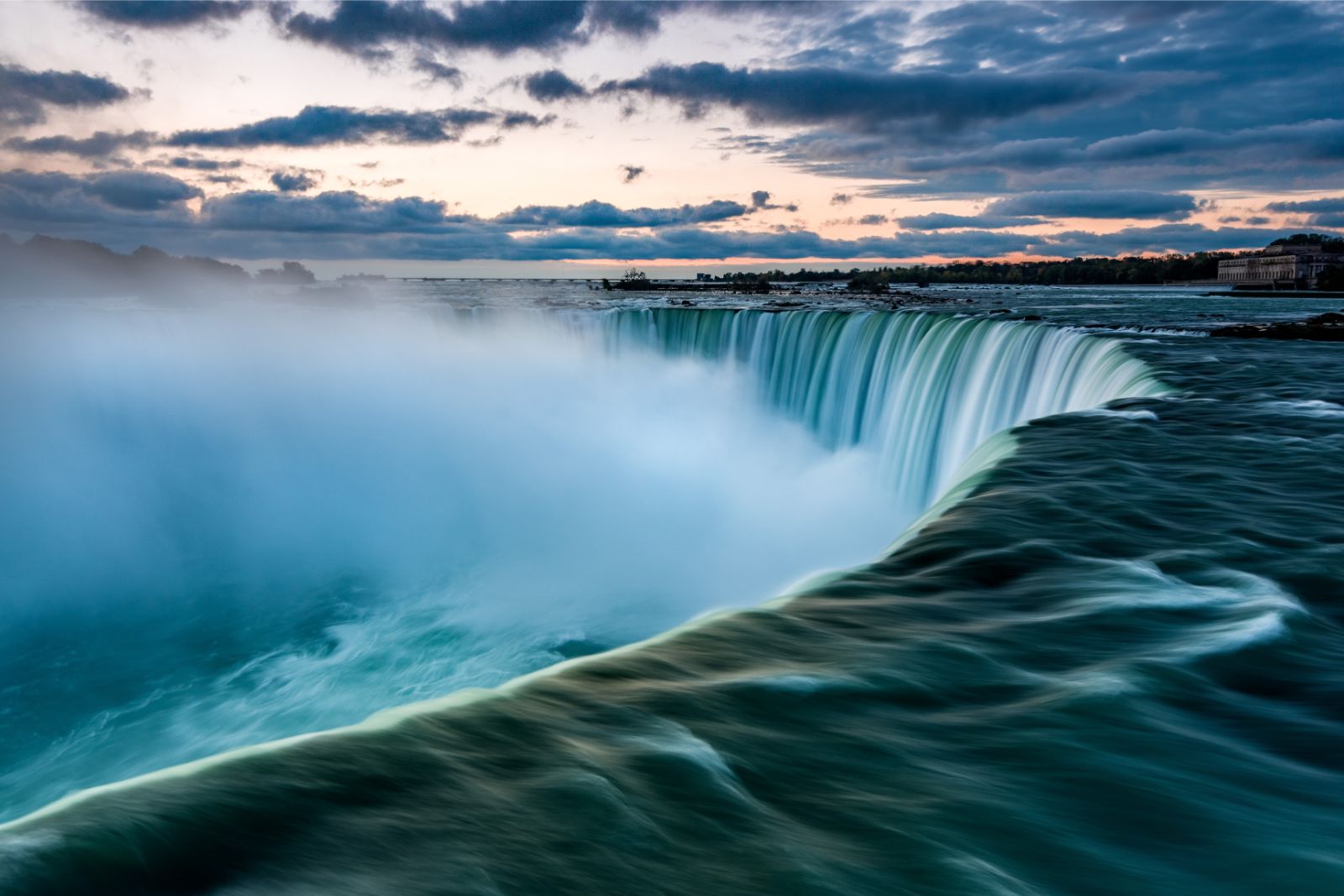
When using AI for landscape photography, it's important to maintain authenticity and avoid over-processing. The goal should be to enhance the natural beauty of a scene rather than create unrealistic or artificial-looking results. The most successful AI landscape enhancements are those that respect the original character of the scene while amplifying its visual impact.
AI is not replacing the photographer's vision or the importance of being in the right place at the right time—it's providing powerful tools that help realize that vision more fully. The human elements of landscape photography—patience, observation, and connection to nature—remain as important as ever.
The future of landscape photography lies in this harmonious integration of AI technology and human creativity. Photographers who embrace these tools while maintaining their unique artistic perspective will be well-positioned to create stunning, evocative images that capture the true beauty of our natural world.
Themeix
Themeix is a creative agency crafting beautiful Jekyll themes and modern web solutions for businesses worldwide.