

AI is transforming food photography, making it easier than ever to capture mouth-watering images of culinary creations. From intelligent lighting adjustments and color enhancement to automatic composition suggestions and detail optimization, AI tools are helping photographers and food enthusiasts create stunning images that make dishes look absolutely delicious. These technologies enable anyone to achieve professional-quality food photography regardless of their experience level.

Modern AI food photography tools can analyze dishes in real-time, understanding textures, colors, and presentation elements that make food appetizing. These systems learn from millions of professionally captured food images, understanding the visual language of culinary photography—lighting, styling, and composition that make food images truly compelling. Whether you're shooting restaurant dishes, home-cooked meals, or food products, AI assistants can help you achieve results that rival professional food photographers.
The impact of AI on food photography extends beyond just capturing images. Advanced systems can now help with post-processing tasks like color enhancement, texture optimization, and even background replacement. This assistance is particularly valuable for food photographers who need to maintain consistent styling across multiple dishes or work with challenging lighting conditions in restaurants.
"Great food photography makes viewers hungry, not just by showing what a dish looks like, but by capturing its aroma, texture, and taste through visual elements. AI tools help photographers achieve this sensory impact with unprecedented ease."
Essential AI features for food photographers:
- Automatic color enhancement and saturation optimization
- Intelligent lighting adjustment and shadow control
- Composition suggestions based on food styling principles


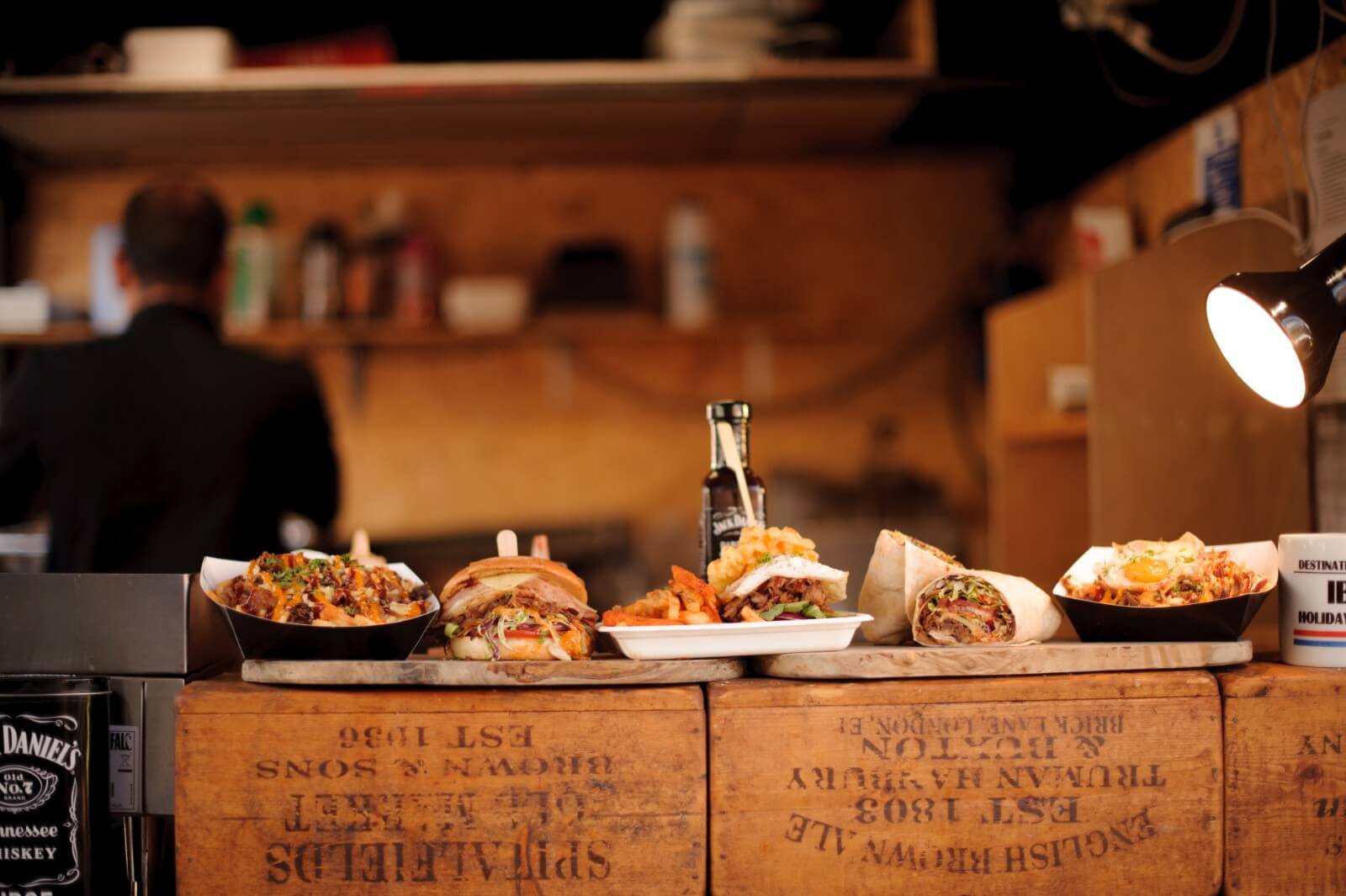

The Technology Behind AI Food Photography
At the core of modern AI food photography tools are sophisticated computer vision algorithms that can analyze food dishes with remarkable precision. These systems use neural networks trained on vast datasets of food images to recognize textures, understand color relationships, and identify optimal compositions. The technology has advanced to the point where AI can suggest improvements that enhance appetite appeal while maintaining the natural appearance of food.
import cv2
import numpy as np
from tensorflow.keras.models import load_model

# Load AI food photography assistant
food_model = load_model('food_photography_assistant.h5')

def enhance_food_image(image):
    # Analyze food elements
    textures = analyze_textures(image)
    colors = analyze_color_balance(image)
    composition = analyze_composition(image)

    # Apply AI enhancements
    enhanced = food_model.predict({
        'textures': textures,
        'colors': colors,
        'composition': composition,
        'appetite_appeal': calculate_appeal(image)
    })

    return enhanced
Full Width Food Photography Showcase

The landscape of AI food photography tools is diverse, ranging from mobile apps with one-tap enhancements to professional software with granular control. Popular platforms like Adobe Lightroom, specialized food photography apps, and even smartphone cameras have integrated AI features specifically designed for food photography, making professional-quality food images accessible to everyone.
For food photographers, AI tools offer significant advantages in achieving consistent, appetizing results. Features like automatic color enhancement help maintain accurate food colors, while intelligent lighting suggestions optimize presentation. These capabilities are particularly valuable when shooting multiple dishes for menus or social media, where consistency and visual appeal are critical.
When using AI for food photography, it's important to maintain the natural appearance and authenticity of dishes. The goal should be to enhance appetite appeal without creating artificial or overly processed-looking results. The most successful AI-assisted food photographs are those that make food look delicious while preserving its natural character and presentation.
AI is not replacing the food photographer's understanding of culinary presentation, styling skills, or appreciation for food—it's providing powerful tools that help realize that vision more efficiently and consistently. The human elements of food photography—understanding lighting, styling dishes, and creating appetizing compositions—remain as important as ever.
The future of food photography lies in this harmonious integration of AI technology and culinary artistry. Photographers who embrace these tools while maintaining their passion for food and attention to presentation will be well-positioned to create stunning, mouth-watering images that celebrate the art of cooking.
Ecuelass Chapman
Ecuelass Chapman is a tech writer exploring the intersection of design, development, and digital innovation.