

Landscape photography captures the beauty and grandeur of natural environments, from sweeping vistas to intimate details of nature. This genre requires patience, preparation, and understanding of light, weather, and composition. Whether you're photographing majestic mountains, serene lakes, or vast deserts, mastering landscape photography techniques will help you create stunning images that convey the awe and wonder of the natural world.
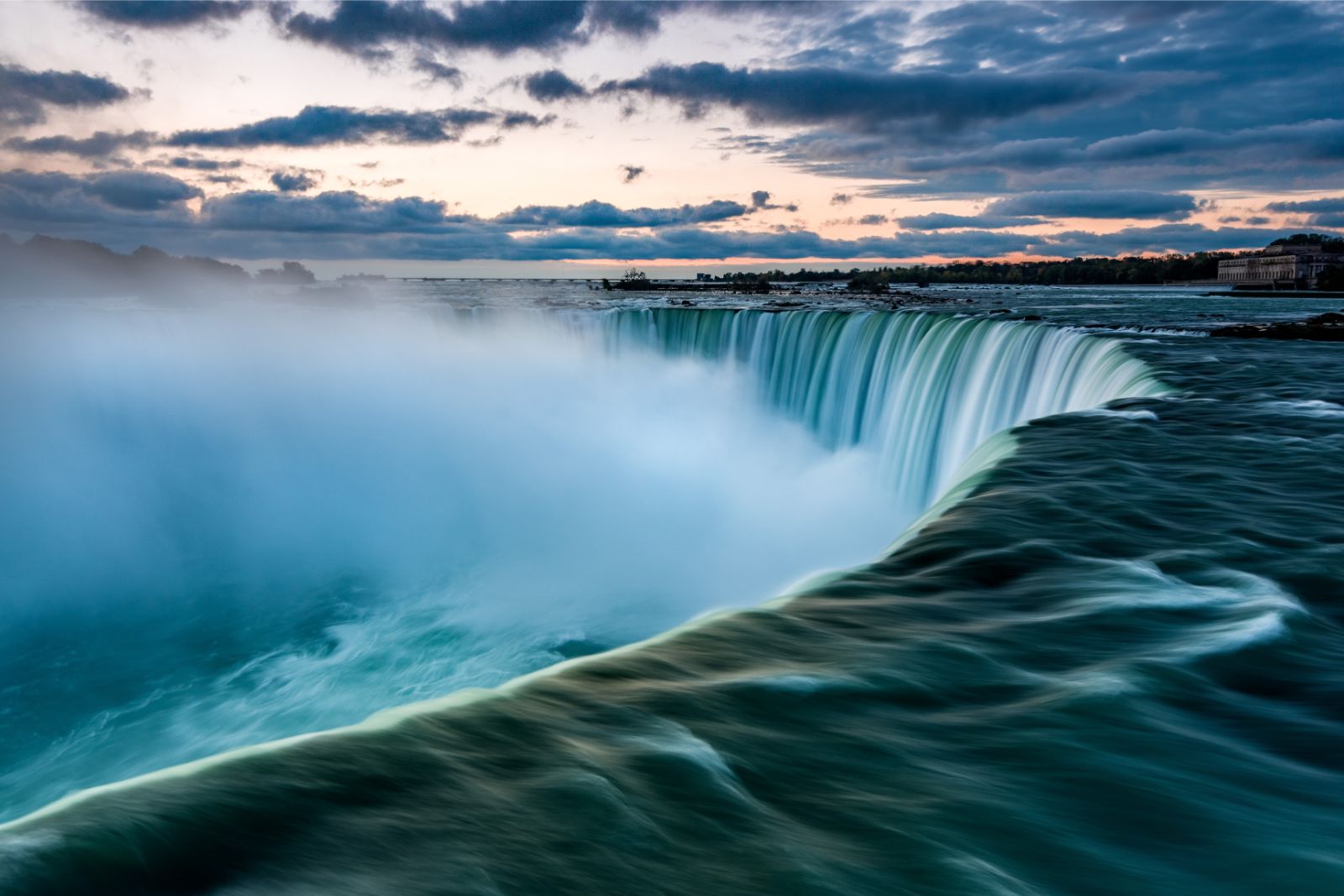
The golden hours—shortly after sunrise and before sunset—provide the most magical light for landscape photography. During these times, the sun is low in the sky, creating warm, soft illumination that enhances colors and adds depth to your images. The long shadows create texture and dimension, while the warm color palette adds emotional impact to your photographs. Planning your shoots around these times will dramatically improve your landscape images.
Weather plays a crucial role in landscape photography, often making the difference between ordinary and extraordinary images. Dramatic clouds, storms, fog, and snow add mood and interest to your photographs. While clear blue skies can be beautiful, overcast conditions provide soft, even lighting that's perfect for waterfalls, forests, and intimate landscapes. Learning to embrace and work with various weather conditions will expand your creative possibilities significantly.
"The landscape photographer's greatest challenge is not capturing what's there, but conveying what they felt when they stood before it. Technical skill is important, but emotional connection is what makes landscape photographs truly memorable."
Essential techniques for landscape photographers:
- Shoot during golden hours for optimal lighting
- Use wide-angle lenses to capture expansive scenes
- Employ filters to control light and enhance colors
Choosing the Right Equipment
Wide-angle lenses are essential for landscape photography, allowing you to capture expansive scenes and create a sense of scale. Lenses in the 16-35mm range are ideal for most landscape work, providing dramatic perspective while maintaining sharpness throughout the frame. A sturdy tripod is equally important, enabling you to use slow shutter speeds for silky water effects and maintain sharpness in low-light conditions. Invest in quality equipment that will withstand the elements and provide reliable performance in challenging conditions.
# Landscape photography settings calculator
def calculate_landscape_settings(light_condition, subject_type):
    """
    Calculate optimal camera settings for landscape photography
    """
    if light_condition == 'golden_hour':
        return {
            'aperture': 'f/8-f/11',
            'shutter_speed': '1/60 - 1/250',
            'iso': '100-200',
            'filters': 'Polarizing filter'
        }
    elif light_condition == 'blue_hour':
        return {
            'aperture': 'f/8-f/11',
            'shutter_speed': '2-30 seconds',
            'iso': '100-400',
            'filters': 'Neutral density filter'
        }
    else:
        return {
            'aperture': 'f/8-f/16',
            'shutter_speed': '1/125 - 1/500',
            'iso': '100-200',
            'filters': 'UV filter'
        }
Composition in Landscape Photography
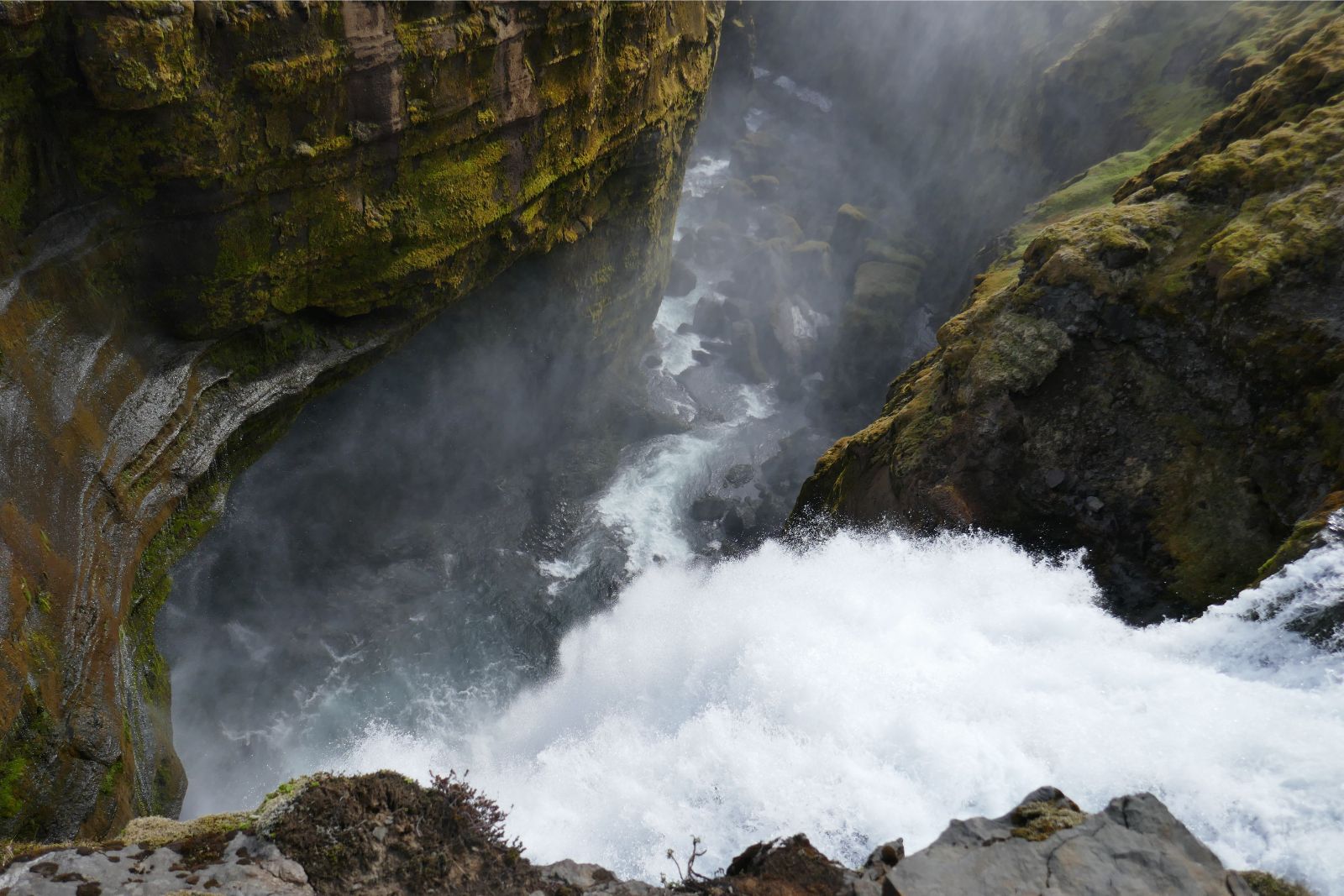
Composition is crucial for creating compelling landscape images. The rule of thirds works beautifully in landscapes, with horizon lines placed along the lower or upper third depending on whether you want to emphasize sky or foreground. Including foreground elements creates depth and scale, drawing viewers into the scene. Leading lines like rivers, fences, or roads guide the eye through your image, creating visual flow and interest. Look for natural frames like trees or rock formations to add depth and focus attention on your main subject.
Depth of field is an important consideration in landscape photography. While you might want everything sharp from foreground to background, sometimes selective focus can create more impactful images. Using smaller apertures (f/8-f/16) ensures maximum sharpness throughout the frame, but be aware of diffraction that can reduce image quality at very small apertures. Hyperfocal distance techniques can help you achieve optimal sharpness from foreground to infinity, ensuring your landscape images are crisp and detailed throughout.
Filters are essential tools for landscape photographers. Polarizing filters reduce glare and enhance colors, making skies bluer and vegetation more vibrant. Neutral density filters allow you to use slower shutter speeds in bright conditions, perfect for creating silky smooth water effects or blurring moving clouds. Graduated neutral density filters balance exposure between bright skies and darker foregrounds, preserving detail in both areas. Learning to use these filters effectively will significantly expand your creative possibilities in landscape photography.
Planning and research are key to successful landscape photography. Study locations beforehand using maps, photography apps, and online resources. Check weather forecasts and tide charts if you're photographing coastal areas. Arrive early to scout locations and set up before the optimal light arrives. Being prepared allows you to focus on composition and creativity when the light is perfect, rather than fumbling with equipment or missing the shot entirely.
Patience is perhaps the most important quality for landscape photographers. Sometimes you'll wait hours for the perfect light, only to have conditions change at the last moment. Other times, unexpected weather will create magical moments you couldn't have planned for. Embrace the unpredictability of nature and be ready to adapt your plans. The most rewarding landscape photographs often come to those who are willing to wait and work with whatever conditions nature provides.
Post-processing is the final step in creating stunning landscape images. While capturing a great photograph in-camera is always the goal, thoughtful editing can enhance your vision and bring out the best in your images. Adjust exposure, contrast, and color balance to reflect the scene as you experienced it. Use dodging and burning to guide viewer's attention through your image. Remember that the goal is enhancement, not manipulation—your landscape photographs should remain authentic representations of the natural beauty you witnessed.
Themeix
Themeix is a creative agency crafting beautiful Jekyll themes and modern web solutions for businesses worldwide.