

Night photography opens up a world of creative possibilities, transforming familiar scenes into magical landscapes of light and shadow. From glittering cityscapes to star-filled skies, photographing after dark requires different techniques and approaches than daytime photography. This guide covers essential skills for capturing stunning images in low-light conditions and making the most of the unique opportunities that night photography offers.
The challenge of night photography lies in working with limited light while maintaining image quality. Long exposures are often necessary to capture enough light, requiring stable camera support to prevent blur. Understanding how to balance aperture, shutter speed, and ISO in low-light conditions is essential. Modern cameras with excellent high-ISO performance have made night photography more accessible, but proper technique remains crucial for the best results.
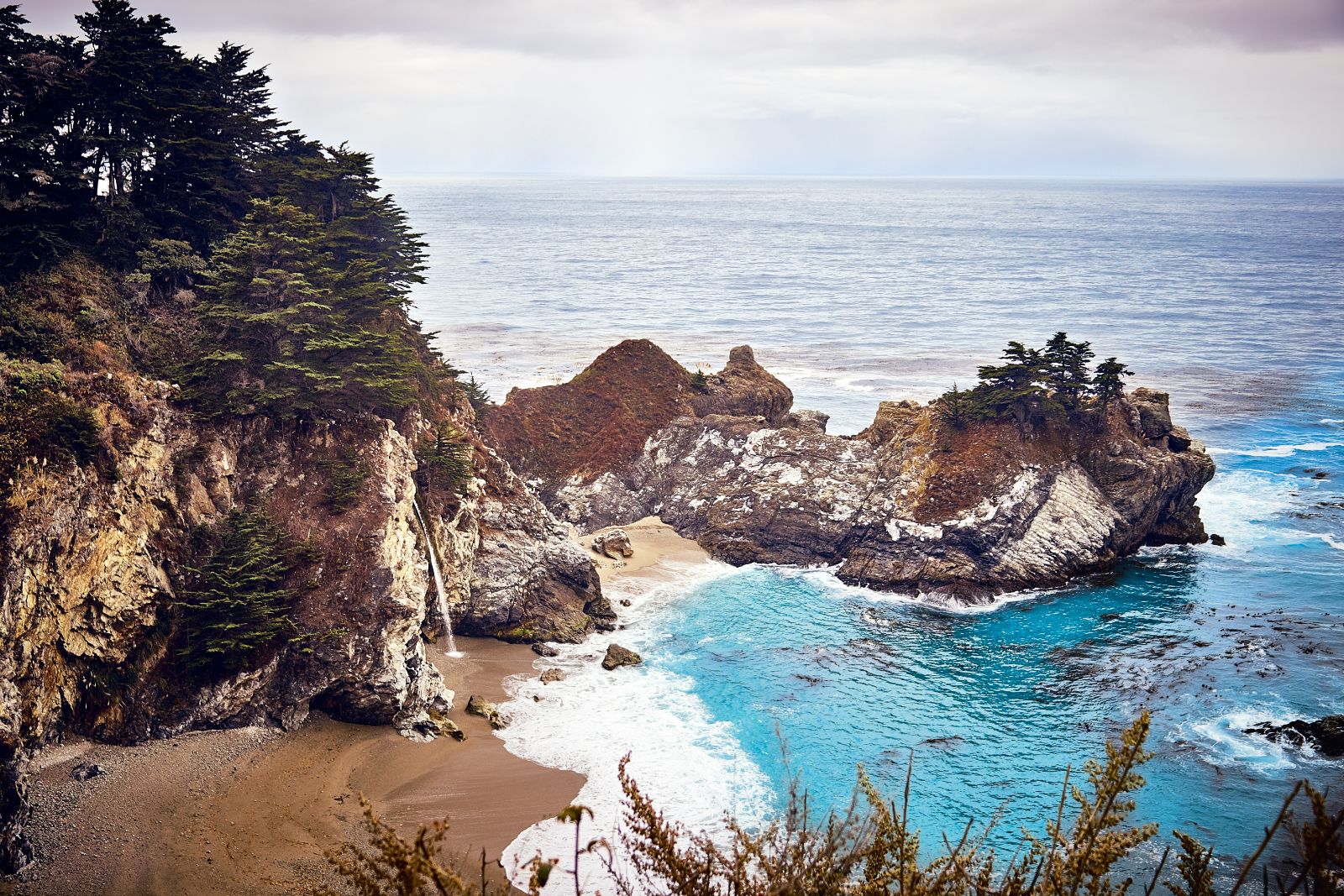
Blue hour, the period just after sunset or before sunrise, provides some of the most beautiful light for photography. The sky takes on a deep blue hue while artificial lights begin to glow, creating a magical atmosphere. This transitional period offers the best of both worlds—some natural light combined with the warmth of artificial illumination. Planning your shoots around blue hour will dramatically improve your night photography results.
"Night photography reveals a different world, one that most people never see. The darkness transforms familiar scenes, and light becomes the primary subject. Mastering night photography opens up endless creative possibilities and perspectives."
Essential techniques for night photographers:
- Use a sturdy tripod for long exposures
- Master manual exposure settings for low light
- Plan shoots around blue and golden hours
Camera Settings for Night Photography
Manual mode is essential for night photography, as automatic modes often struggle with extreme low-light conditions. Start with a wide aperture (f/2.8 or wider) to capture as much light as possible. Shutter speeds will vary dramatically depending on your subject—from seconds for cityscapes to minutes for star trails. ISO should be as low as possible to minimize noise, though you may need to increase it for certain situations. Experiment with these settings to find the right balance for each scene.
# Night photography settings calculator
def night_photography_settings(subject_type, ambient_light):
    """
    Calculate optimal settings for night photography
    """
    if subject_type == 'cityscape':
        return {
            'aperture': 'f/8 - f/11',
            'shutter_speed': '10 - 30 seconds',
            'iso': '100-200',
            'focus_mode': 'Manual focus at infinity'
        }
    elif subject_type == 'stars':
        return {
            'aperture': 'f/2.8 - f/4',
            'shutter_speed': '15 - 30 seconds',
            'iso': '1600-3200',
            'focus_mode': 'Manual focus on bright star'
        }
    else:
        return {
            'aperture': 'f/4 - f/5.6',
            'shutter_speed': '1 - 10 seconds',
            'iso': '400-800',
            'focus_mode': 'Manual focus'
        }
Urban Night Photography
Urban environments offer endless opportunities for night photography. Cityscapes come alive with artificial light, creating dramatic contrasts between illuminated buildings and dark skies. Light trails from moving vehicles add dynamic elements to your images, while reflections on wet surfaces create beautiful compositions. Look for interesting architectural features, neon signs, and street scenes that tell stories about urban life after dark.
Light painting is a creative technique that's particularly effective at night. Using flashlights, LED panels, or other light sources, you can selectively illuminate parts of your scene during a long exposure. This technique allows you to control exactly which elements are lit and how, creating images that would be impossible to capture any other way. Experiment with different light sources and movements to discover unique effects.
Astrophotography captures the beauty of the night sky, from stars and constellations to the Milky Way and auroras. Success requires dark skies away from light pollution, clear weather, and knowledge of celestial movements. Wide-angle lenses with fast apertures are essential for capturing enough light from distant stars. Planning your shoots around moon phases and astronomical events will help you capture the most spectacular night sky images.
Focus is particularly challenging in low-light conditions. Autofocus systems often struggle in darkness, so manual focus is usually necessary. Use live view magnification to focus precisely on your subject. For landscapes and cityscapes, focus at infinity using the distance scale on your lens. For astrophotography, focus on a bright star or distant light source. Taking test shots and reviewing them at high magnification helps ensure sharp focus.
Noise reduction is an important consideration for night photography. Long exposures and high ISO settings can introduce digital noise that degrades image quality. Many cameras offer long-exposure noise reduction that takes a second dark frame to subtract noise from your image. In post-processing, careful noise reduction can clean up images while preserving detail. The goal is to balance noise reduction with maintaining image sharpness and detail.
Composition takes on new importance at night when light becomes your primary subject. Look for scenes with interesting light patterns, contrasts between illuminated and dark areas, and reflections that add depth. The rule of thirds works beautifully for night scenes, helping you balance light sources and dark areas. Including foreground elements adds scale and context, while negative space can create mood and emphasis. Learning to see and compose in low light will elevate your night photography significantly.
Rubik Deva
Rubik Deva is a full-stack developer specializing in building scalable web applications and modern APIs.