

Product photography is the art of showcasing items in their most appealing light, helping businesses sell products through compelling visual representation. Whether you're photographing e-commerce products, food, jewelry, or large items, understanding the fundamentals of product photography will help you create images that drive sales and build brand recognition. This guide covers essential techniques for professional-quality product photography.

Lighting is the most critical element in product photography. Unlike other photography genres where you work with available light, product photography typically requires controlled lighting setups to achieve consistent, professional results. Understanding how to manipulate light—both natural and artificial—to reveal product details, create dimension, and produce accurate colors is essential for successful product photography.
The background you choose can make or break a product photograph. Clean, uncluttered backgrounds keep focus on the product, while contextual backgrounds can show how the product is used. White backgrounds are standard for e-commerce, providing neutral canvases that work across various platforms and marketing materials. Colored or textured backgrounds can add visual interest and reinforce brand identity when used thoughtfully.
"Great product photography doesn't just show what a product looks like—it communicates quality, value, and desirability. Every lighting decision, angle choice, and styling element should work together to tell the product's story and make viewers want to own it."
Essential techniques for product photographers:
- Master lighting setups for different product types
- Choose appropriate backgrounds and props
- Apply consistent styling and composition


Lighting Setups for Products
Soft, diffused lighting is ideal for most product photography, as it minimizes harsh shadows and reveals details without glare. Light tents and diffusion panels create this soft lighting effect, making them essential tools for product photographers. For reflective products like jewelry or glass, you'll need specialized lighting techniques to control reflections and maintain product visibility. Understanding how to position lights to create the desired effect is a fundamental skill.
# Product photography lighting guide
def product_lighting_setup(product_type, material, desired_effect):
    """
    Recommend lighting setup for different products
    """
    if product_type == 'jewelry':
        return {
            'main_light': 'Softbox at 45 degrees',
            'fill_light': 'Reflector or secondary softbox',
            'backlight': 'Rim light for edge definition',
            'background': 'White or black seamless',
            'special_considerations': 'Control reflections carefully'
        }
    elif product_type == 'food':
        return {
            'main_light': 'Large softbox or window light',
            'fill_light': 'White reflector',
            'backlight': 'Optional for steam/glow effects',
            'background': 'Neutral or contextual',
            'special_considerations': 'Keep food fresh and appetizing'
        }
    else:
        return {
            'main_light': 'Softbox or umbrella',
            'fill_light': 'Reflector panel',
            'backlight': 'As needed for separation',
            'background': 'White seamless for e-commerce',
            'special_considerations': 'Match brand guidelines'
        }
Camera Equipment and Settings
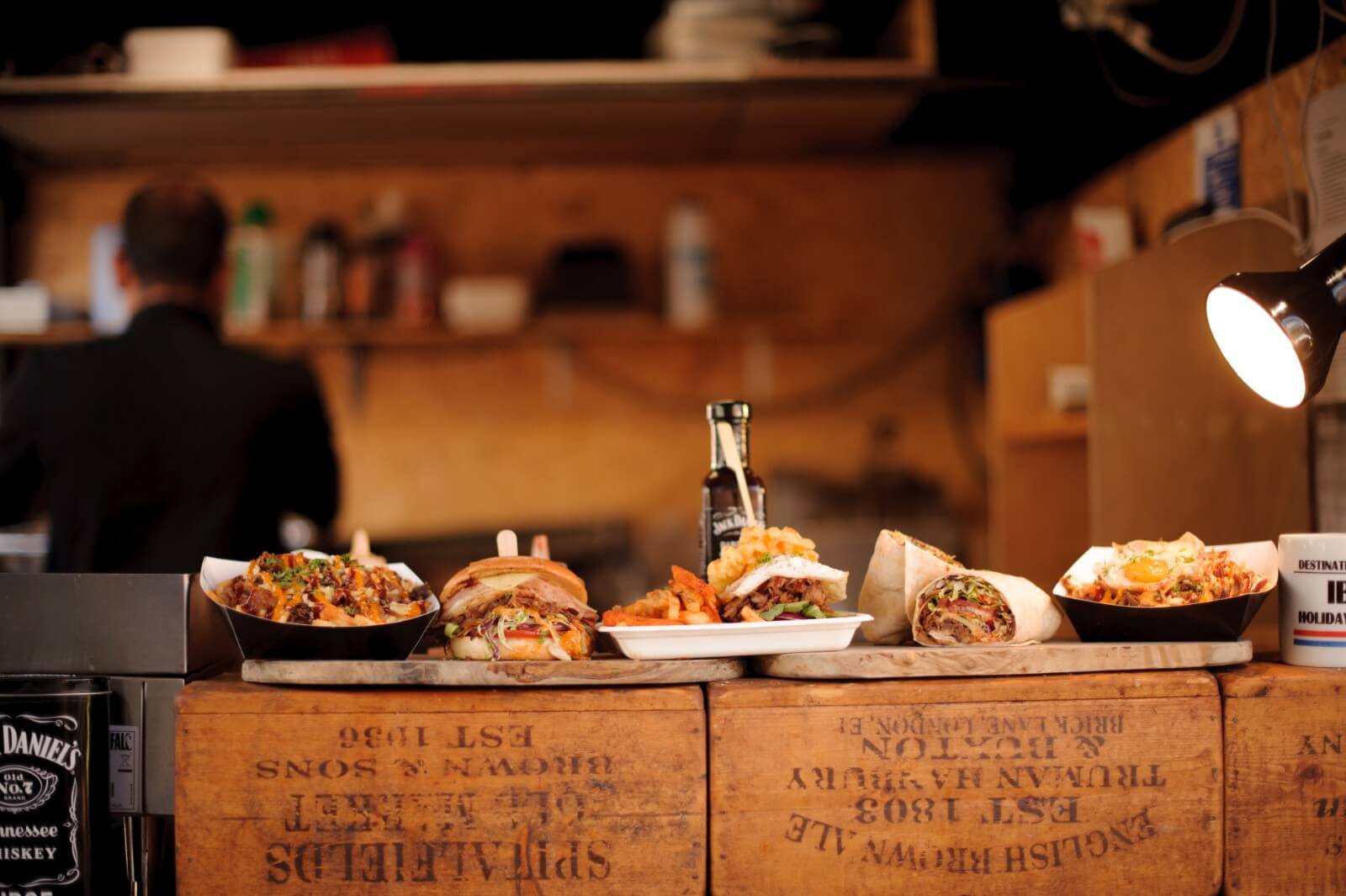
A camera with manual controls and the ability to shoot in RAW format is essential for product photography. While you don't need the most expensive equipment, having a camera that allows precise control over aperture, shutter speed, and ISO will give you the flexibility to achieve professional results. Macro lenses are valuable for small products and detail shots, while standard zoom lenses work well for larger items.
Aperture choice affects both depth of field and image sharpness. For product photography, you typically want sufficient depth of field to keep the entire product in focus, so apertures in the f/8-f/16 range are common. However, for creative shots or when you want to emphasize specific features, wider apertures can create beautiful background blur. The key is understanding how aperture affects your images and choosing appropriately for each shot.
Styling and presentation are crucial elements of product photography. How you arrange and present your product communicates quality and attention to detail. Clean, professional styling builds trust with customers, while sloppy or inconsistent styling can undermine confidence in the product. Develop a styling approach that aligns with your brand and enhances the product's appeal without distracting from it.
Props and accessories can enhance product photography by providing context and scale. However, props should always support the product, not compete with it. Choose props that complement the product's style, color scheme, and intended use. For lifestyle shots, props help tell a story about how the product fits into the customer's life. For clean product shots, minimal or no props may be more appropriate.
Consistency is key for professional product photography, especially when photographing multiple products for a catalog or e-commerce site. Maintain consistent lighting, angles, backgrounds, and styling across all product images. This consistency creates a cohesive brand identity and makes it easier for customers to compare products. Creating shot lists and reference images helps maintain consistency across multiple shooting sessions.
Post-processing is the final step in creating professional product images. While capturing great images in-camera is always the goal, thoughtful editing can enhance product photos significantly. Color correction ensures accurate product representation, retouching removes dust and imperfections, and background cleanup creates clean, professional-looking images. The goal is enhancement, not transformation—your product photos should accurately represent what customers will receive.
Ecuelass Chapman
Ecuelass Chapman is a tech writer exploring the intersection of design, development, and digital innovation.