

AI-powered photo editing has transformed the way photographers approach post-processing, turning hours of meticulous work into streamlined, intelligent workflows. Advanced algorithms now handle complex tasks like sky replacement, portrait retouching, and color grading with remarkable precision and speed. These tools don't just automate existing processes—they introduce entirely new capabilities that were previously impossible or impractical for most photographers.
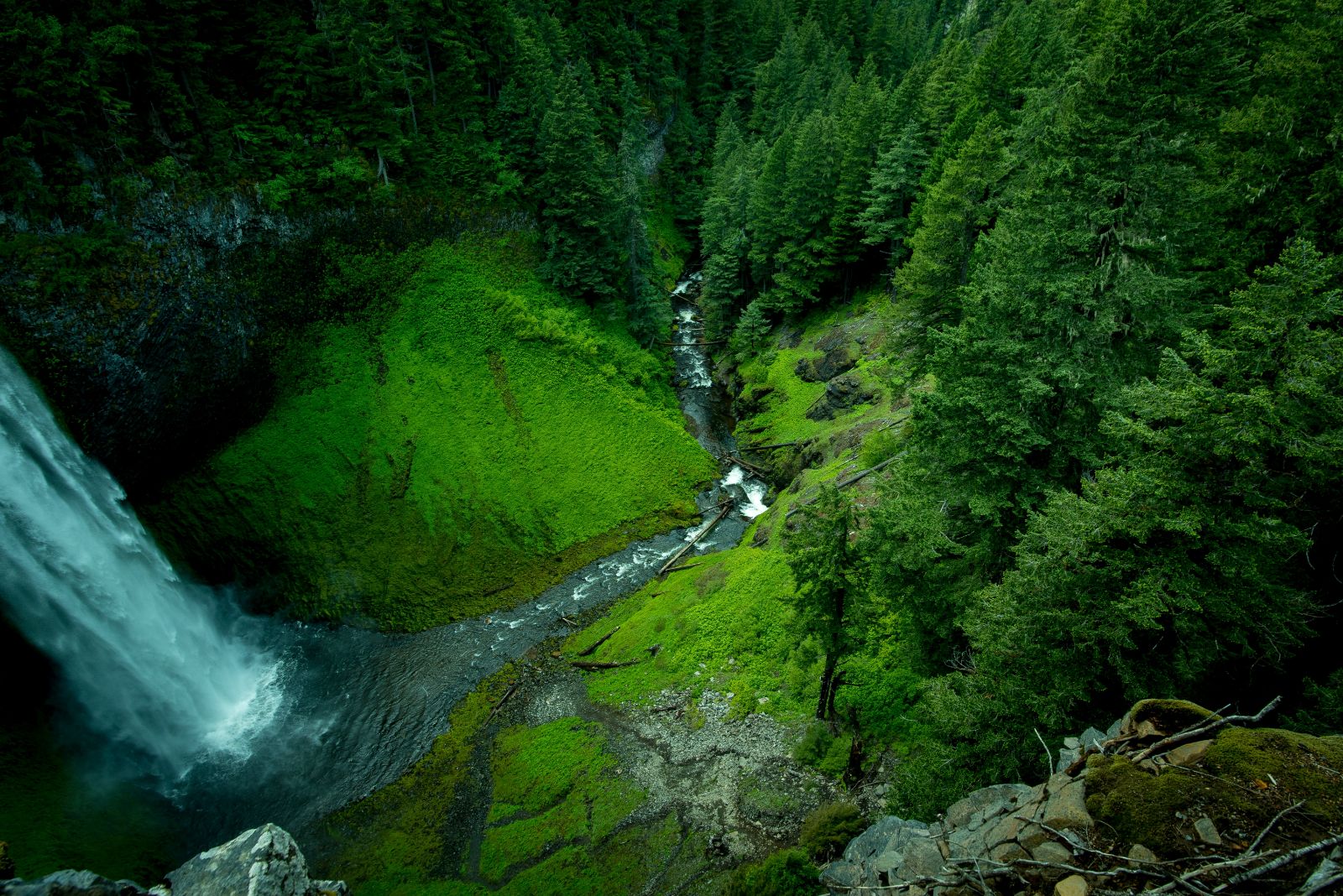
Modern AI editing software can analyze images pixel by pixel, understanding the content, lighting conditions, and aesthetic qualities of each photograph. This deep understanding enables features like automatic subject selection, intelligent noise reduction, and even the ability to change the time of day in a photograph while maintaining realistic lighting and shadows. The technology continues to advance rapidly, with each new iteration bringing more sophisticated capabilities and better results.
For professional photographers, AI editing tools offer significant productivity gains. Complex edits that once required manual masking, layering, and careful adjustment can now be accomplished with a single click or slider adjustment. This efficiency allows photographers to spend more time shooting and less time in front of the computer, while still delivering exceptional results to clients.
"The goal of AI in photo editing isn't to replace the photographer's eye—it's to eliminate the technical barriers that stand between creative vision and final image. When the tools become invisible, creativity can truly flourish."
Essential AI editing features for photographers:
- Automatic sky replacement and enhancement
- Intelligent portrait retouching and skin smoothing
- AI-powered noise reduction and detail enhancement

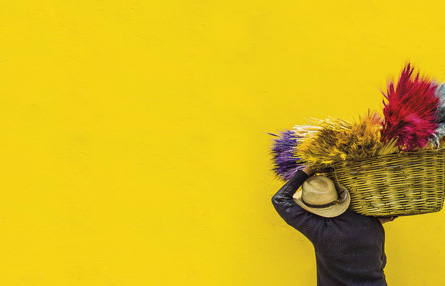


The Technology Behind AI Photo Editing
At the core of modern AI photo editing are convolutional neural networks (CNNs) and generative adversarial networks (GANs). These sophisticated machine learning models are trained on millions of images, learning to recognize patterns, understand context, and make intelligent decisions about how to enhance or modify photographs. The technology has reached a level of sophistication where AI can often outperform human editors in specific tasks, particularly when it comes to repetitive or technically demanding operations.
import cv2
import numpy as np
from tensorflow.keras.models import load_model

# Load AI enhancement model
enhancement_model = load_model('photo_enhancer.h5')

def ai_enhance_image(input_path, output_path):
    # Read and preprocess image
    image = cv2.imread(input_path)
    image = image.astype('float32') / 255.0

    # Apply AI enhancement
    enhanced = enhancement_model.predict(np.expand_dims(image, axis=0))

    # Save result
    cv2.imwrite(output_path, (enhanced[0] * 255).astype('uint8'))
Full Width AI Editing Showcase
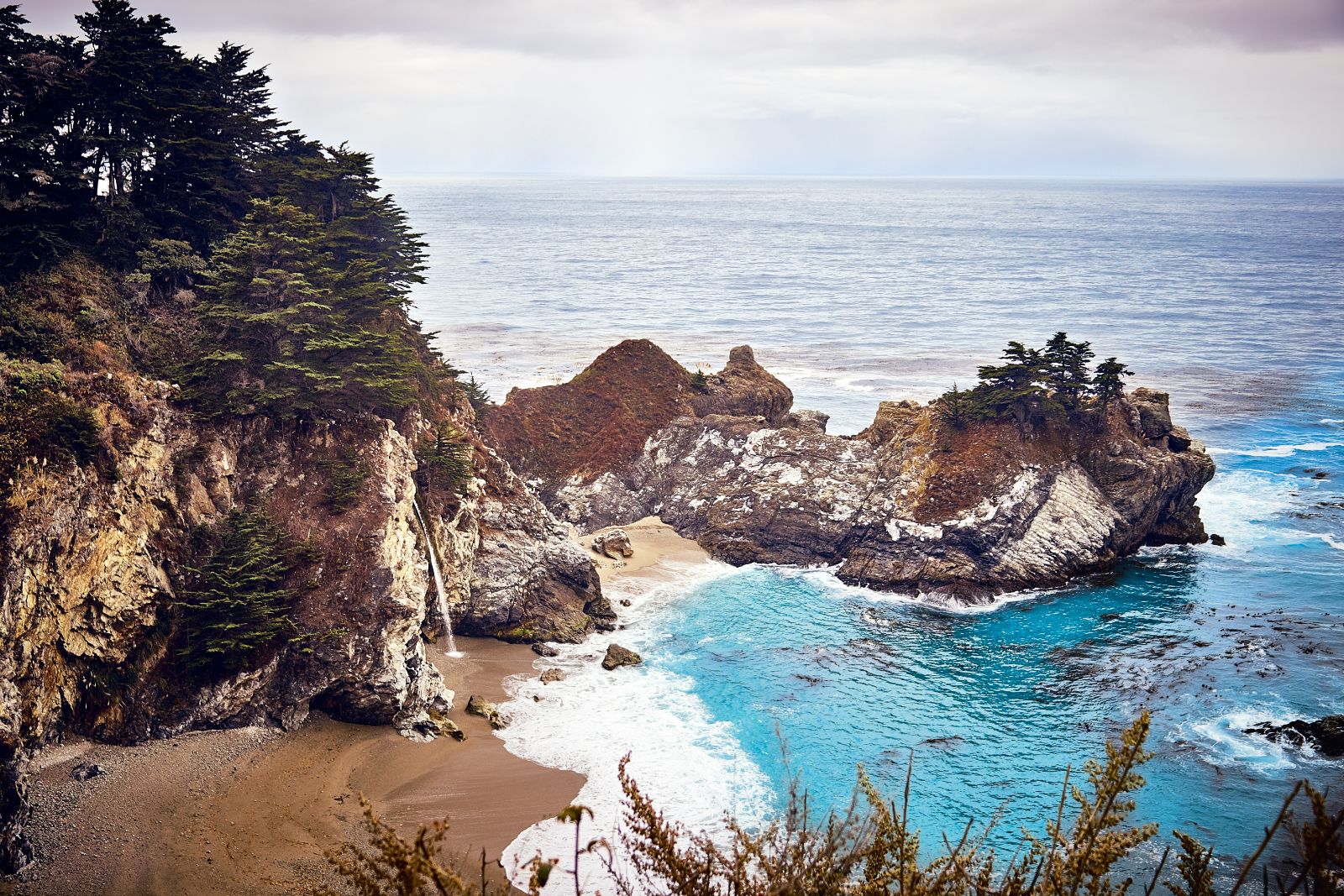
The landscape of AI photo editing tools is diverse, ranging from mobile apps with one-tap enhancements to professional desktop software with granular control. Popular platforms like Adobe Lightroom, Luminar AI, and Skylum have integrated AI features deeply into their workflows, while specialized tools like Topaz Labs focus on specific tasks like noise reduction and upscaling.
As AI technology continues to evolve, we're seeing the emergence of more sophisticated features like style transfer, which can apply the aesthetic characteristics of one photograph to another, and content-aware fill, which can intelligently remove or add elements to an image while maintaining realistic textures and lighting. These capabilities are opening up new creative possibilities for photographers of all skill levels.
For photographers looking to incorporate AI into their workflow, the key is to start with tools that address specific pain points or repetitive tasks. Whether it's batch processing, automatic retouching, or intelligent color correction, AI can help streamline your workflow and free up time for more creative pursuits.
The future of photo editing lies in the seamless integration of AI assistance with human creativity. Photographers who learn to leverage these powerful tools while maintaining their unique artistic vision will be well-positioned to thrive in this new era of digital photography.
AI photo editing is not just about making images look better—it's about making the editing process faster, more intuitive, and more accessible, allowing photographers to focus on what truly matters: creating compelling visual stories that resonate with viewers.
Monica Powell
Monica Powell is a web technologist passionate about increasing visibility of underestimated individuals in tech.