

Sports photography captures the excitement, drama, and emotion of athletic competition, freezing moments of peak action that define sporting events. From professional stadiums to local youth games, sports photography requires quick reflexes, technical skill, and understanding of the sports you're photographing. This guide covers essential techniques for creating compelling sports images that convey the energy and passion of competition.
The challenge of sports photography lies in capturing fast-moving subjects in unpredictable environments. Athletes move at incredible speeds, making it difficult to maintain focus and proper exposure. Understanding the sport you're photographing helps you anticipate where the action will happen, positioning yourself for the best angles. Fast autofocus systems, high frame rates, and proper camera settings are essential tools for successful sports photography.
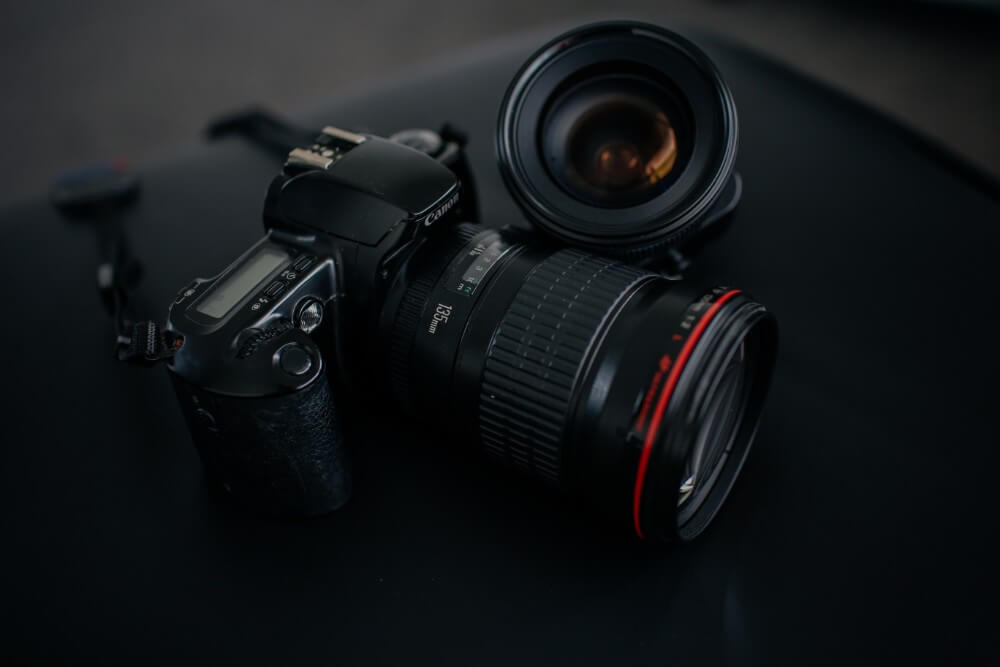
Equipment choice significantly affects your ability to capture sports action. Long telephoto lenses (200mm and beyond) allow you to get close to the action from safe distances. Fast apertures (f/2.8-f/4) help in challenging lighting conditions and create beautiful background blur that isolates your subjects. Camera bodies with advanced autofocus systems and high frame rates are invaluable for tracking fast-moving athletes. A monopod provides stability for heavy lenses while allowing quick mobility.
"Sports photography is about more than freezing action—it's about capturing the emotion, determination, and drama that make sports compelling. The best sports images tell stories of triumph, defeat, and the human spirit."
Essential techniques for sports photographers:
- Anticipate action to be in the right position
- Use fast shutter speeds to freeze motion
- Master autofocus for tracking moving subjects
Camera Settings for Sports
Fast shutter speeds are essential for freezing sports action. Most sports require 1/500 second or faster, with high-speed sports like motorsports or skiing needing 1/1000-1/2000 second. Continuous autofocus (AI Servo) tracks moving subjects, maintaining focus as they move through your frame. High frame rates (8-10 fps or more) allow you to capture sequences of action, increasing your chances of getting the perfect moment. Aperture choice balances depth of field with shutter speed needs.
# Sports photography settings calculator
def sports_settings(sport_type, lighting_condition, action_speed):
    """
    Calculate optimal settings for sports photography
    """
    if sport_type == 'football':
        return {
            'shutter_speed': '1/1000 - 1/2000',
            'aperture': 'f/2.8 - f/4',
            'iso': '400-1600',
            'focus_mode': 'AI Servo with zone AF',
            'burst_mode': 'High-speed continuous'
        }
    elif sport_type == 'basketball':
        return {
            'shutter_speed': '1/800 - 1/1600',
            'aperture': 'f/2.8 - f/4',
            'iso': '800-3200',
            'focus_mode': 'AI Servo with point expansion',
            'burst_mode': 'High-speed continuous'
        }
    else:
        return {
            'shutter_speed': '1/500 - 1/1000',
            'aperture': 'f/4 - f/5.6',
            'iso': '200-800',
            'focus_mode': 'AI Servo',
            'burst_mode': 'Medium continuous'
        }
Positioning and Anticipation
Understanding the sport you're photographing is crucial for positioning yourself effectively. Learn where the action typically happens—goal areas in soccer, finish lines in track events, or key positions in basketball. Anticipate plays and movements to be in the right place before the action arrives. Different angles provide different perspectives; low angles make athletes look powerful, while high angles show plays developing. Experiment with various positions to find the most compelling viewpoints.
Timing and anticipation separate good sports photographers from great ones. Learn to predict when decisive moments are about to happen—a sprinter about to cross the finish line, a quarterback about to throw, or a basketball player about to dunk. Pre-focus on areas where action will occur and be ready to fire your shutter at the right moment. Sometimes this means shooting continuously through a sequence, while other times it requires waiting for the perfect instant.
Composition in sports photography balances technical excellence with storytelling. The rule of thirds works beautifully for placing athletes within your frame, allowing space for them to move into. Clean backgrounds keep focus on the action, though sometimes including crowd or stadium context adds atmosphere. Leading lines like lane markers or court boundaries guide the viewer's eye through your image. Capturing expressions of effort, triumph, or defeat adds emotional impact to your sports photographs.
Different sports present unique challenges and opportunities. Team sports require tracking multiple subjects and anticipating plays. Individual sports like tennis or golf demand precise timing for specific moments. Motorsports present extreme speeds and safety considerations. Understanding the specific challenges of each sport helps you prepare appropriately and capture the most compelling images. Study the sport before shooting to understand its rhythms and key moments.
Lighting conditions vary dramatically across different sports venues. Outdoor sports deal with changing natural light, from bright sunshine to overcast conditions. Indoor sports often have challenging artificial lighting that requires higher ISO settings and careful white balance. Stadium lights can create interesting color casts and exposure challenges. Understanding how to work with different lighting conditions will make you a more versatile sports photographer.
Post-processing can enhance sports images while maintaining authenticity. Careful sharpening reveals fine details in uniforms and equipment. Noise reduction maintains image quality at higher ISO settings common in sports photography. Color correction ensures accurate representation of team colors and uniforms. Cropping can improve composition while maintaining image quality. The goal is enhancement that reveals the drama and excitement of the sporting moment you captured.
Sunilas Max
Sunilas Max is a UI/UX designer focused on creating accessible and inclusive digital experiences for all users.