

Street photography captures the pulse of urban life, documenting the authentic moments and stories that unfold in public spaces. This genre requires quick reflexes, keen observation, and the ability to blend into your surroundings while remaining alert to photographic opportunities. Whether you're photographing bustling city centers, quiet neighborhoods, or transitional moments in between, street photography reveals the beauty and drama of everyday life.

The essence of street photography lies in capturing candid, unposed moments that reveal something genuine about human nature and urban life. Unlike portrait photography where you direct your subjects, street photography requires patience and observation, waiting for moments to unfold naturally. This unpredictability is what makes street photography so exciting—every time you venture out with your camera, you have the opportunity to capture something unique and unexpected.
Choosing the right equipment for street photography is about balancing capability with discretion. Compact cameras and smaller lenses help you blend into your surroundings and capture candid moments without drawing attention. Prime lenses with wide apertures are ideal for low-light situations and creating separation between subjects and backgrounds. A camera with fast autofocus and quick burst shooting will help you capture fleeting moments that define great street photography.
"Street photography is about seeing the extraordinary in the ordinary. It's not just about what you photograph, but how you see the world. The best street photographers have developed a unique way of observing and interpreting the everyday scenes around them."
Essential techniques for street photographers:
- Blend into your environment to capture candid moments
- Use zone focusing for quick, decisive shots
- Look for interesting light, shadows, and reflections


Camera Settings for Street Photography
Street photography often requires quick decisions and fast reactions, so having your camera ready is essential. Use aperture priority mode with a mid-range aperture (f/5.6-f/8) to ensure adequate depth of field while maintaining reasonable shutter speeds. Auto ISO with an upper limit of 1600-3200 will help you adapt to changing light conditions. Zone focusing—pre-setting your focus distance and using a small aperture—allows you to capture sharp images without waiting for autofocus to lock.
# Street photography settings calculator
def street_photography_settings(lighting, subject_distance):
    """
    Calculate optimal settings for street photography
    """
    if lighting == 'bright_daylight':
        return {
            'aperture': 'f/8 - f/11',
            'shutter_speed': '1/250 - 1/500',
            'iso': '100-200',
            'focus_mode': 'Zone focus at 3-5 meters'
        }
    elif lighting == 'overcast':
        return {
            'aperture': 'f/5.6 - f/8',
            'shutter_speed': '1/125 - 1/250',
            'iso': '200-400',
            'focus_mode': 'Zone focus at 2-4 meters'
        }
    else:
        return {
            'aperture': 'f/2.8 - f/4',
            'shutter_speed': '1/60 - 1/125',
            'iso': '800-1600',
            'focus_mode': 'Auto focus with center point'
        }
Finding Photographic Opportunities
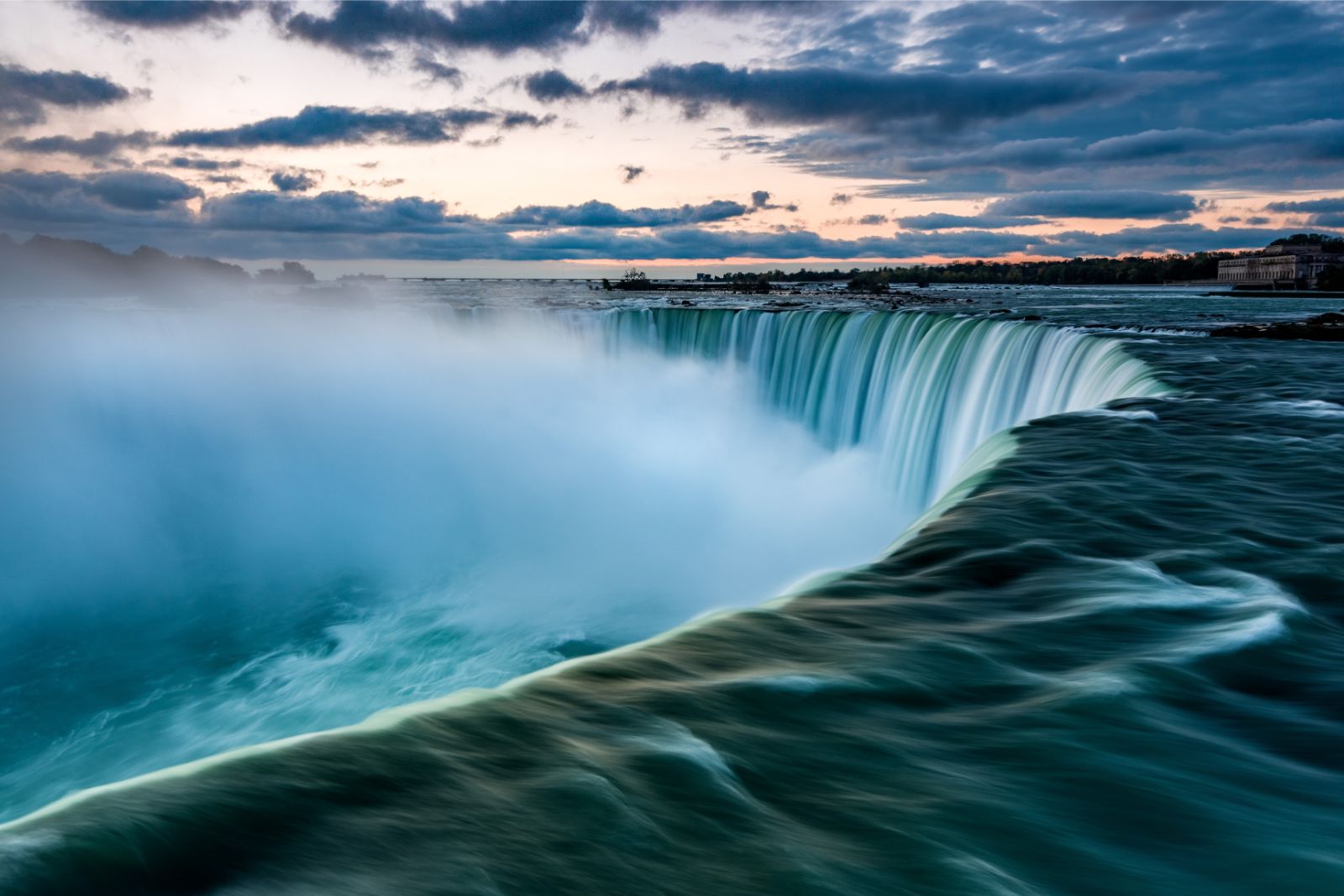
Great street photography often comes from finding the right locations and waiting for moments to happen. Look for interesting backgrounds, dramatic light, or architectural features that can serve as backdrops for your images. Street corners, markets, public transportation hubs, and busy intersections are all fertile ground for street photography. Once you find a promising location, be patient and observant—wait for the right subjects to enter your frame and create the perfect image.
Light and shadow are powerful tools in street photography. Early morning and late afternoon light creates long, dramatic shadows that add depth and interest to your images. Harsh midday sun can create strong contrasts and graphic patterns. Look for reflections in windows, puddles, and other surfaces to add visual interest and layers to your photographs. Understanding how to use light creatively will elevate your street photography beyond simple documentation.
Composition is crucial for creating compelling street photographs. The rule of thirds works beautifully for street scenes, helping you balance elements and create visual interest. Leading lines like roads, fences, or architectural features guide the viewer's eye through your image. Including foreground elements adds depth and context, while negative space can create a sense of isolation or emphasize your subject. Look for natural frames like doorways or arches to draw attention to your main subject.
Timing and anticipation are key skills for street photographers. Learn to predict when a moment is about to happen—someone about to step into a patch of light, a gesture about to be made, or an interaction about to unfold. Position yourself strategically and be ready to press the shutter at the decisive moment. Sometimes, this means pre-focusing and waiting, while other times it requires quick reactions to capture spontaneous events.
Approaching people for street photography requires sensitivity and respect. While candid street photography doesn't require permission, photographing people directly or in close proximity may benefit from a brief conversation and consent. Be respectful of people's privacy and comfort levels. If someone objects to being photographed, honor their wishes and move on. Building trust and being considerate will make your street photography practice more ethical and enjoyable.
Developing your unique vision is what will set your street photography apart. Study the work of great street photographers to understand different approaches and styles, but don't try to imitate them directly. Find subjects and themes that interest you personally—whether it's urban decay, human interactions, or the beauty in mundane moments. Your perspective and interests will give your street photography authenticity and meaning that resonates with viewers.
Ecuelass Chapman
Ecuelass Chapman is a tech writer exploring the intersection of design, development, and digital innovation.