

The emergence of AI image generation tools has opened up unprecedented possibilities for photographers and visual artists. These powerful systems can create stunning, photorealistic images from simple text descriptions, blend multiple concepts seamlessly, and even enhance existing photographs with remarkable precision. The technology is rapidly evolving, pushing the boundaries of what's possible in visual creation and offering new avenues for artistic expression.
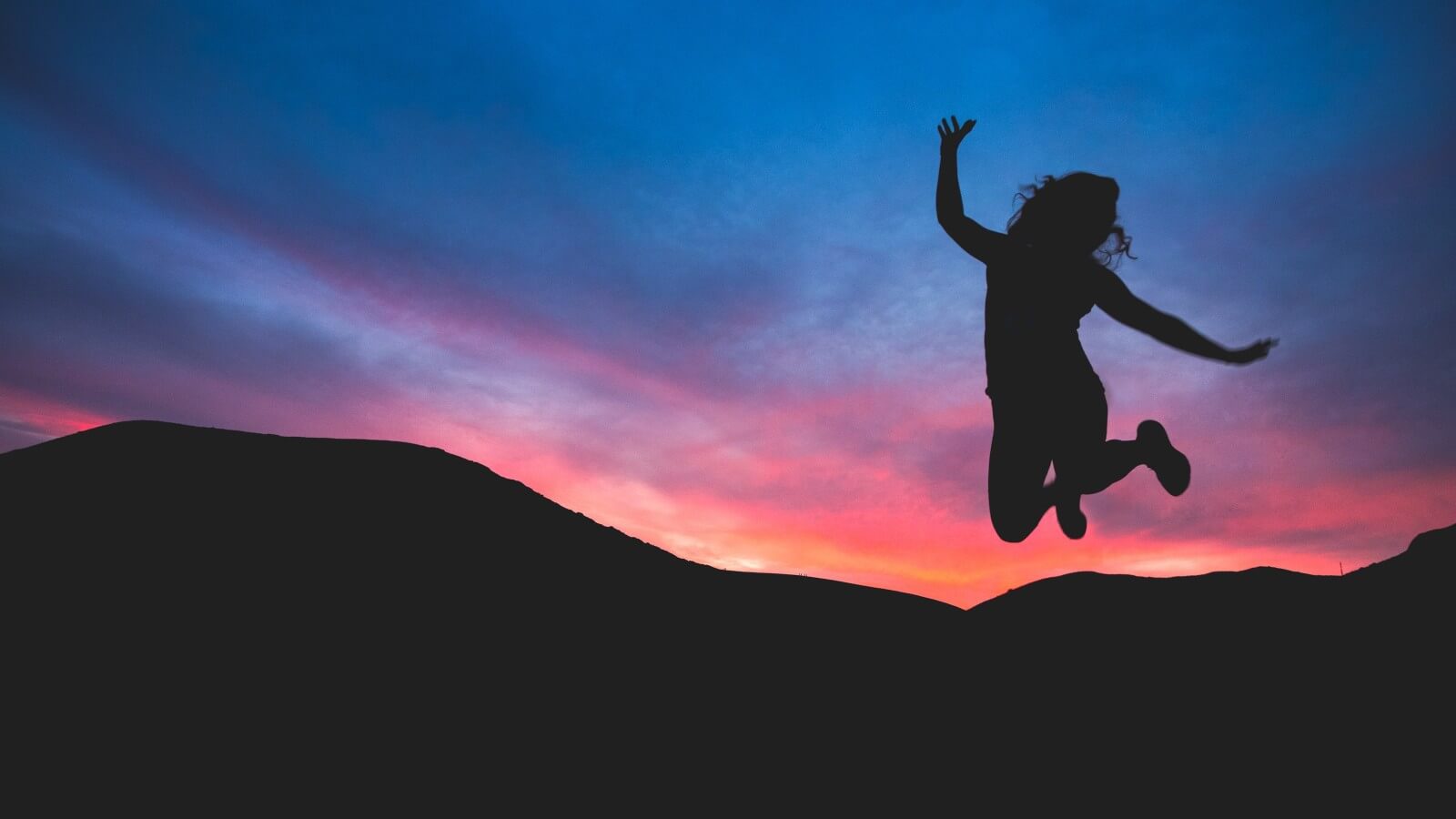
AI image generators like DALL-E, Midjourney, and Stable Diffusion have democratized access to high-quality visual content. Photographers can now use these tools to generate reference images, explore creative concepts, or even create entirely new visual narratives. The technology learns from billions of images, understanding complex relationships between objects, styles, and artistic techniques that have defined photography throughout history.
For professional photographers, AI generation offers both opportunities and challenges. On one hand, it provides powerful tools for brainstorming, concept development, and creating impossible shots that would require extensive resources to capture traditionally. On the other hand, it raises important questions about authenticity, copyright, and the future value of human-created imagery in an age of algorithmic art.
"AI image generation isn't replacing photography—it's expanding the photographer's toolkit. The most successful artists will be those who learn to harness these technologies while maintaining their unique creative vision and technical expertise."
Key applications of AI in photography include:
- Concept visualization and pre-production planning
- Background replacement and scene generation
- Artistic style transfer and creative effects
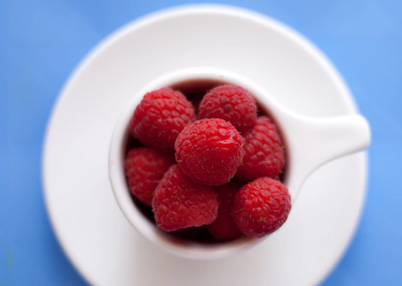
Understanding AI Image Generation Technology
At the heart of modern AI image generation are sophisticated neural networks called diffusion models. These systems learn to create images by gradually adding noise to training images and then learning to reverse the process, generating new images from pure noise. The technology has advanced dramatically in recent years, with newer models capable of producing images that are virtually indistinguishable from photographs taken with traditional cameras.
import torch
from diffusers import StableDiffusionPipeline

# Load AI image generation model
pipe = StableDiffusionPipeline.from_pretrained(
    "stabilityai/stable-diffusion-2"
)

# Generate image from text prompt
prompt = "A serene mountain lake at sunset, photorealistic"
image = pipe(prompt).images[0]
image.save("ai_generated_photo.jpg")
Full Width AI Photography Showcase
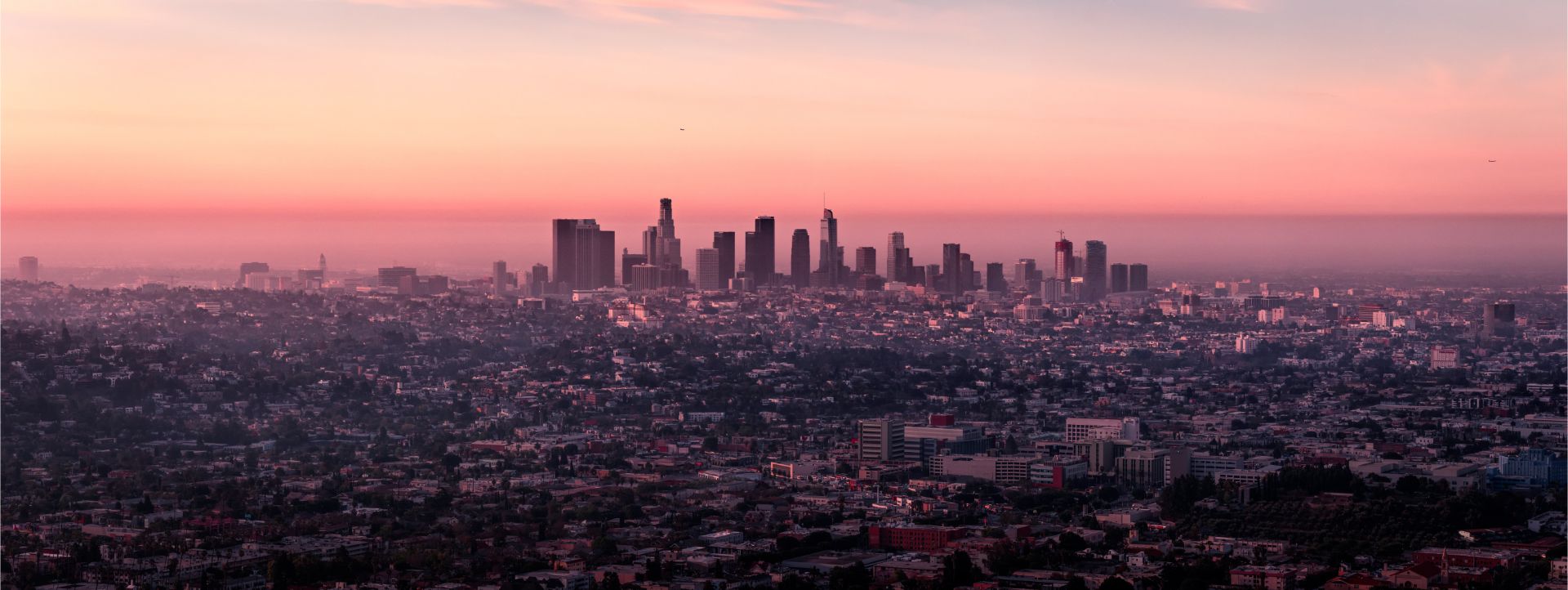
The integration of AI generation into photography workflows is creating new hybrid approaches to visual storytelling. Photographers can now combine traditional capture techniques with AI-generated elements, creating images that blend the authenticity of real-world photography with the limitless possibilities of algorithmic creation. This fusion is particularly valuable in commercial photography, advertising, and conceptual art.
As the technology continues to evolve, we're seeing improvements in resolution, control, and consistency. Newer models allow photographers to guide the generation process more precisely, maintaining specific subjects, styles, or compositions while still benefiting from AI's creative capabilities. The result is a powerful collaboration between human creativity and machine intelligence.
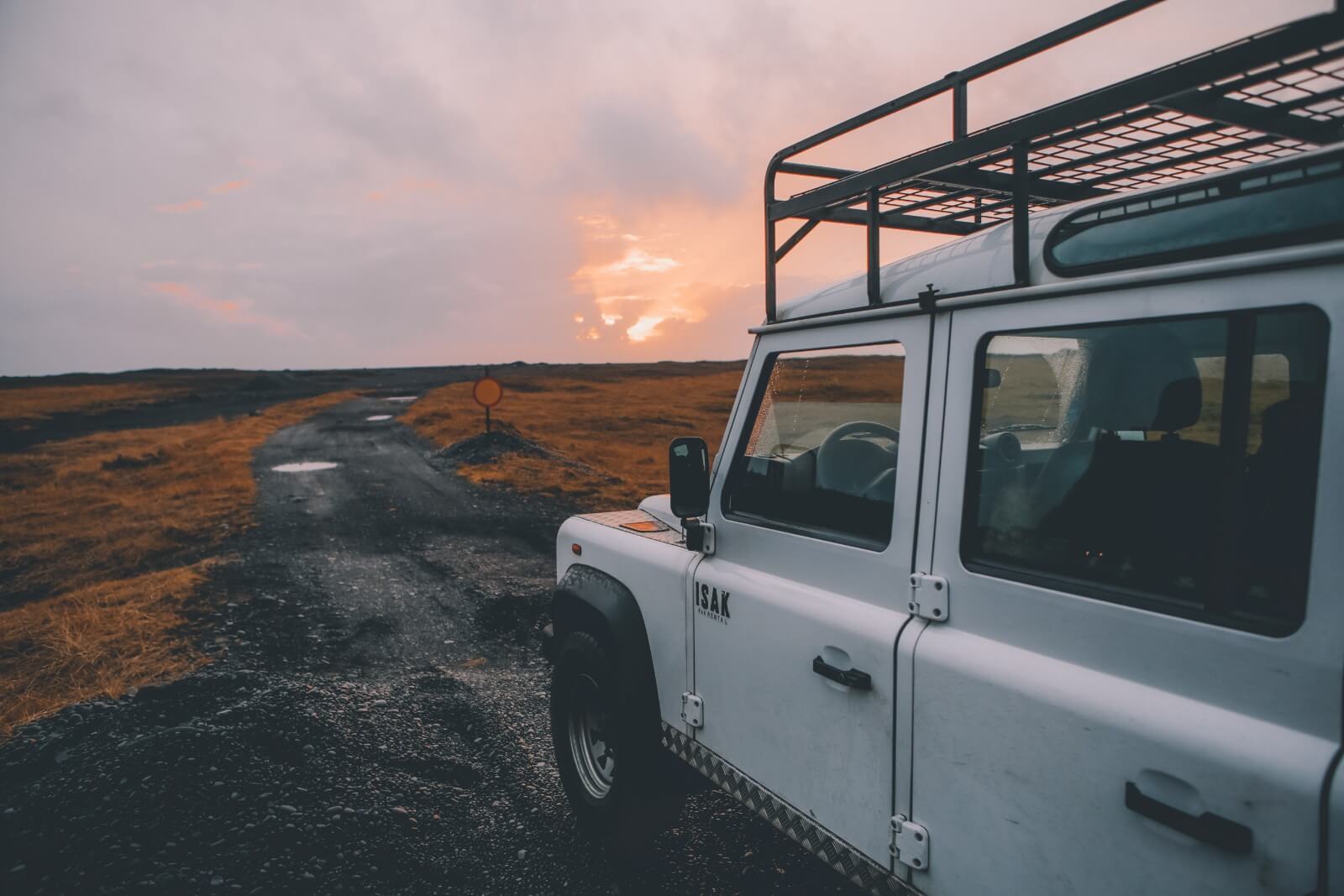
For photographers interested in exploring AI generation, there are numerous tools and platforms available, from web-based services to local installations that run on consumer hardware. The key is to approach these tools as creative assistants rather than replacements for traditional photography skills.
The future of photography lies in this harmonious integration of human vision and AI capability. Photographers who embrace these technologies while developing their unique artistic voice will be well-positioned to thrive in this new era of visual creation.
Whether you're creating entirely AI-generated images or using AI to enhance your traditional photography, the possibilities are limited only by your imagination. The tools are here—now it's up to photographers to push the boundaries of what's possible and create truly groundbreaking visual art.
Rubik Deva
Rubik Deva is a full-stack developer specializing in building scalable web applications and modern APIs.