

AI is transforming wildlife photography, making it easier than ever to capture stunning images of animals in their natural habitats. From intelligent subject detection and tracking to automatic camera settings optimization and predictive capture timing, AI tools are helping photographers overcome the unique challenges of wildlife photography. These technologies enable photographers to capture wildlife with unprecedented precision and minimal disturbance to animals.
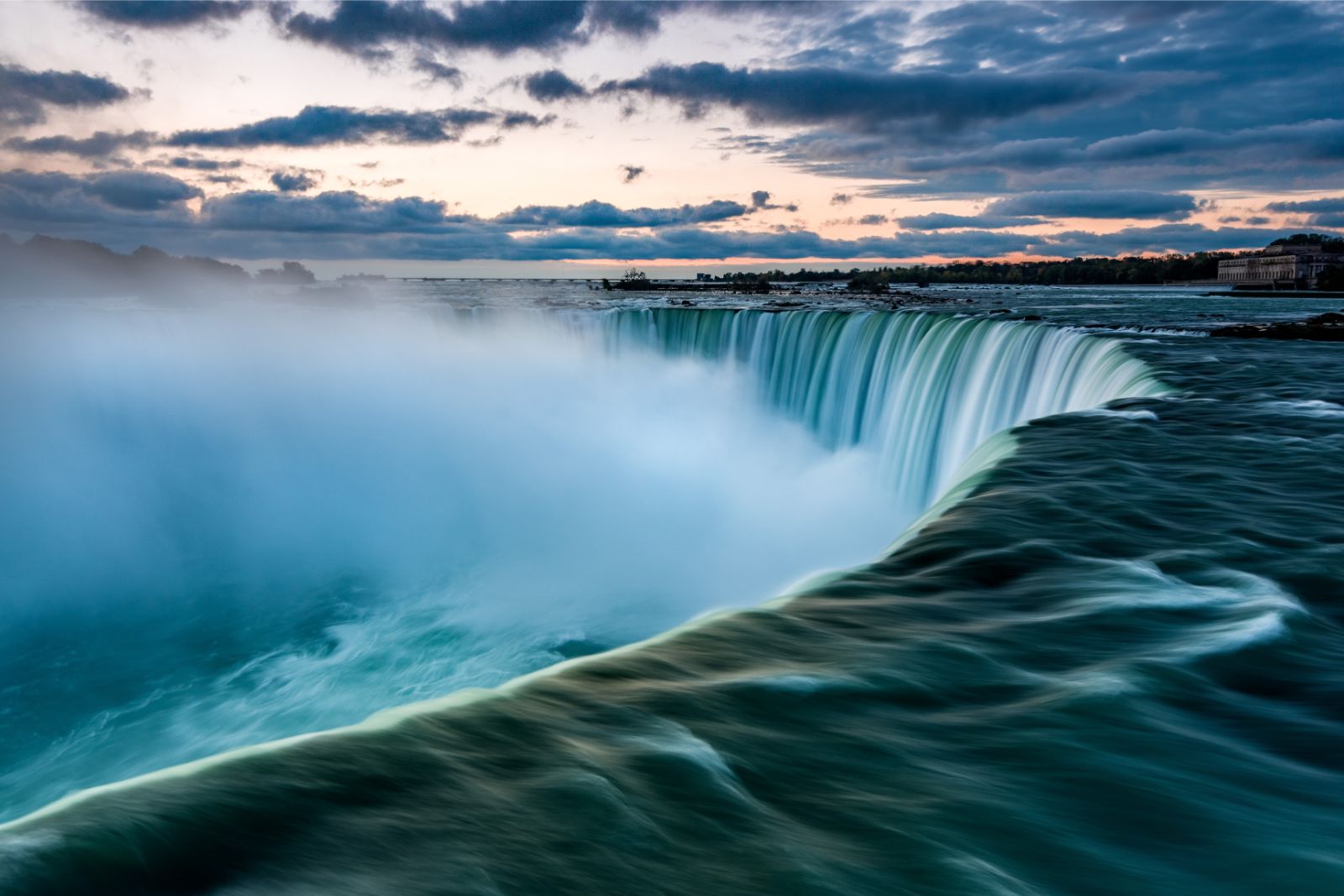
Modern AI wildlife photography systems can analyze complex natural environments in real-time, identifying animals, understanding their behavior, and predicting their movements. These systems learn from millions of wildlife images, understanding the visual language of animals—patterns, movements, and behaviors that make wildlife images truly captivating. Whether you're shooting birds, mammals, or insects, AI assistants can help you capture the perfect moment while maintaining ethical distances.
The impact of AI on wildlife photography extends beyond just capturing images. Advanced systems can now help with automated subject tracking, intelligent focus prediction, and even creating depth maps from wildlife scenes. This assistance is particularly valuable for wildlife photographers who often work with unpredictable subjects and need to maintain safe distances while capturing frame-filling images.
"Wildlife photography captures the beauty and behavior of animals in their natural environments. AI tools help photographers achieve stunning results while minimizing disturbance to wildlife and maintaining ethical standards."
Essential AI features for wildlife photographers:
- Automatic subject detection and tracking
- Intelligent focus prediction and optimization
- Predictive capture timing for action shots
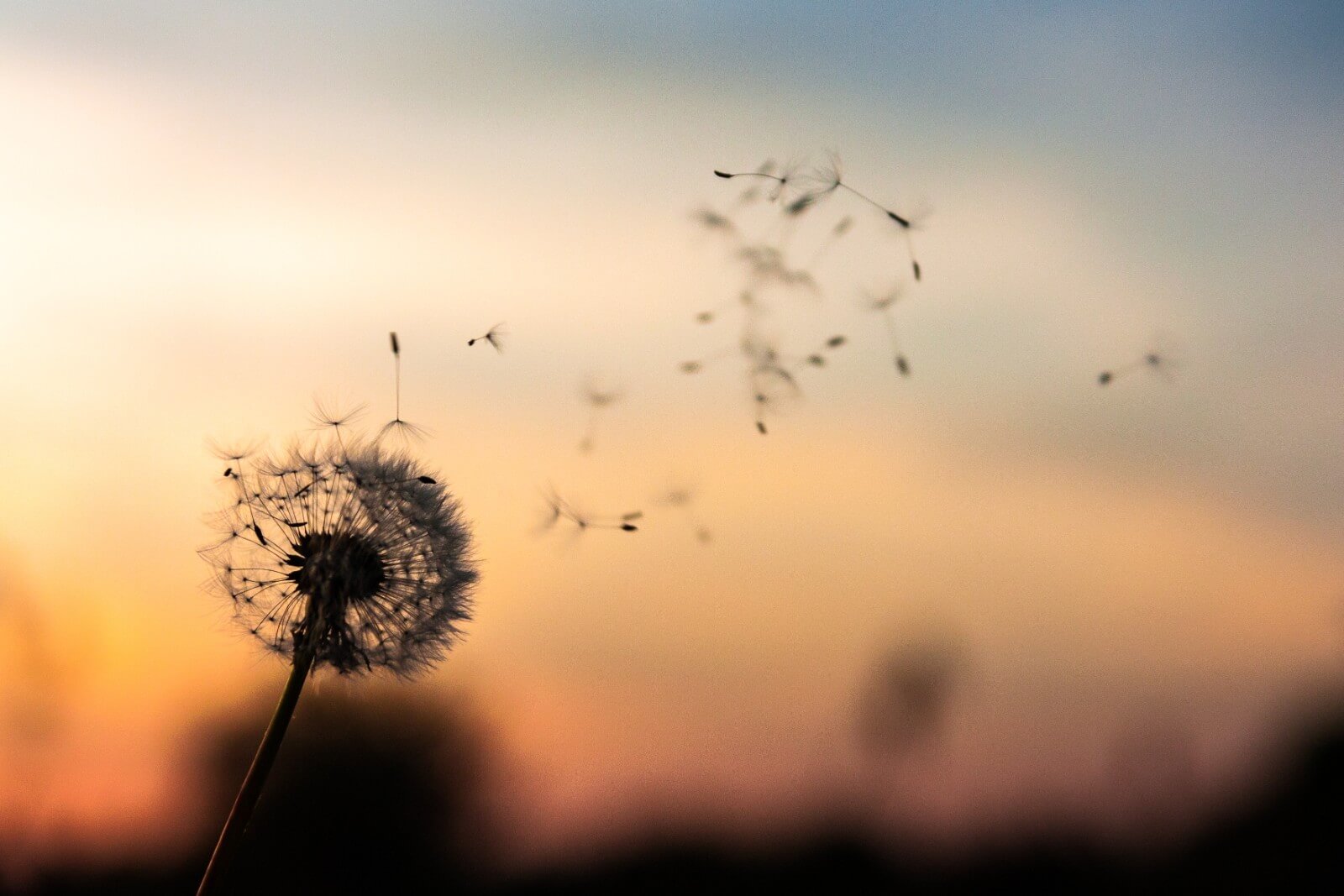
The Technology Behind AI Wildlife Photography
At the core of modern AI wildlife photography tools are sophisticated computer vision algorithms that can analyze natural environments with remarkable precision. These systems use neural networks trained on vast datasets of wildlife images to recognize animals, understand their behavior, and predict their movements. The technology has advanced to the point where AI can detect animals before they're visible to the human eye and predict optimal capture moments.
import cv2
import numpy as np
from tensorflow.keras.models import load_model

# Load AI wildlife photography assistant
wildlife_model = load_model('wildlife_photography_assistant.h5')

def analyze_wildlife_scene(image):
    # Detect animals and analyze behavior
    animals = detect_wildlife(image)
    behavior = analyze_movement_patterns(animals)

    # Optimize camera settings
    optimized = wildlife_model.predict({
        'animals': animals,
        'behavior': behavior,
        'environment': analyze_habitat(image)
    })

    return optimized
Full Width Wildlife Photography Showcase
The landscape of AI wildlife photography tools is diverse, ranging from camera systems with built-in AI subject detection to software for post-processing wildlife images. Modern camera systems from companies like Sony, Canon, and Nikon have integrated AI features specifically designed for wildlife photography, while specialized software offers AI-powered tracking and enhancement tools.
For wildlife photographers, AI tools offer significant advantages in capturing stunning images while minimizing disturbance. Features like automatic subject detection help locate animals quickly, while intelligent focus prediction ensures sharp images even with fast-moving subjects. These capabilities are particularly valuable when working with shy or endangered species where minimizing disturbance is critical.
When using AI for wildlife photography, it's important to maintain ethical standards and respect for animals. The goal should be to enhance your ability to capture stunning images while ensuring minimal disturbance to wildlife. The most successful AI-assisted wildlife photographs are those that combine technical excellence with ethical practices and respect for natural behavior.
AI is not replacing the wildlife photographer's understanding of animal behavior, patience, or fieldcraft—it's providing powerful tools that help realize that vision more effectively and ethically. The human elements of wildlife photography—understanding habitats, respecting animals, and practicing ethical photography—remain as important as ever.
The future of wildlife photography lies in this harmonious integration of AI technology and conservation ethics. Photographers who embrace these tools while maintaining their commitment to animal welfare and ethical practices will be well-positioned to create stunning, respectful images that celebrate the beauty of wildlife.
Aaron Pott
Aaron Pott is a creative designer passionate about crafting intuitive user experiences and modern web interfaces.