

AI is transforming architecture photography, helping photographers capture the beauty and complexity of built environments with greater precision and creativity. From intelligent line detection and perspective correction to automatic composition suggestions and lighting optimization, AI tools are empowering photographers to overcome the unique challenges of architectural photography. These technologies enable photographers to capture buildings and structures with perfect lines, balanced compositions, and optimal lighting.
Modern AI architecture photography tools can analyze complex structural scenes in real-time, identifying architectural elements, understanding perspective, and suggesting optimal compositions. These systems learn from millions of architectural photographs, understanding the visual language of buildings—lines, shapes, textures, and the interplay of light and shadow. Whether you're shooting modern skyscrapers, historic buildings, or interior spaces, AI assistants can help you achieve technically perfect and aesthetically pleasing results.
The impact of AI on architecture photography extends beyond just capturing images. Advanced systems can now help with post-processing tasks like perspective correction, vertical line straightening, and even removing unwanted elements from scenes. This assistance is particularly valuable for architectural photographers who often need to work in challenging lighting conditions and limited shooting angles.
"Great architectural photography requires both technical precision and artistic vision. AI tools help photographers achieve perfect lines and compositions while maintaining the creative interpretation that makes each building unique and compelling."
Essential AI features for architectural photographers:
- Automatic line detection and perspective correction
- Intelligent composition and framing suggestions
- Lighting optimization and shadow enhancement



The Technology Behind AI Architecture Photography
At the core of modern AI architecture photography tools are sophisticated computer vision algorithms that can analyze structural elements in real-time. These systems use neural networks trained on vast datasets of architectural images to recognize building features, understand perspective, and identify optimal compositions. The technology has advanced to the point where AI can detect and correct perspective issues, straighten vertical lines, and enhance architectural details automatically.
import cv2
import numpy as np
from tensorflow.keras.models import load_model

# Load AI architecture photography assistant
arch_model = load_model('architecture_photography_assistant.h5')

def analyze_architectural_scene(image):
    # Detect architectural elements
    lines = detect_lines(image)
    perspective = analyze_perspective(lines)

    # Suggest optimal composition
    composition = arch_model.predict({
        'lines': lines,
        'perspective': perspective,
        'lighting': analyze_lighting(image)
    })

    return composition
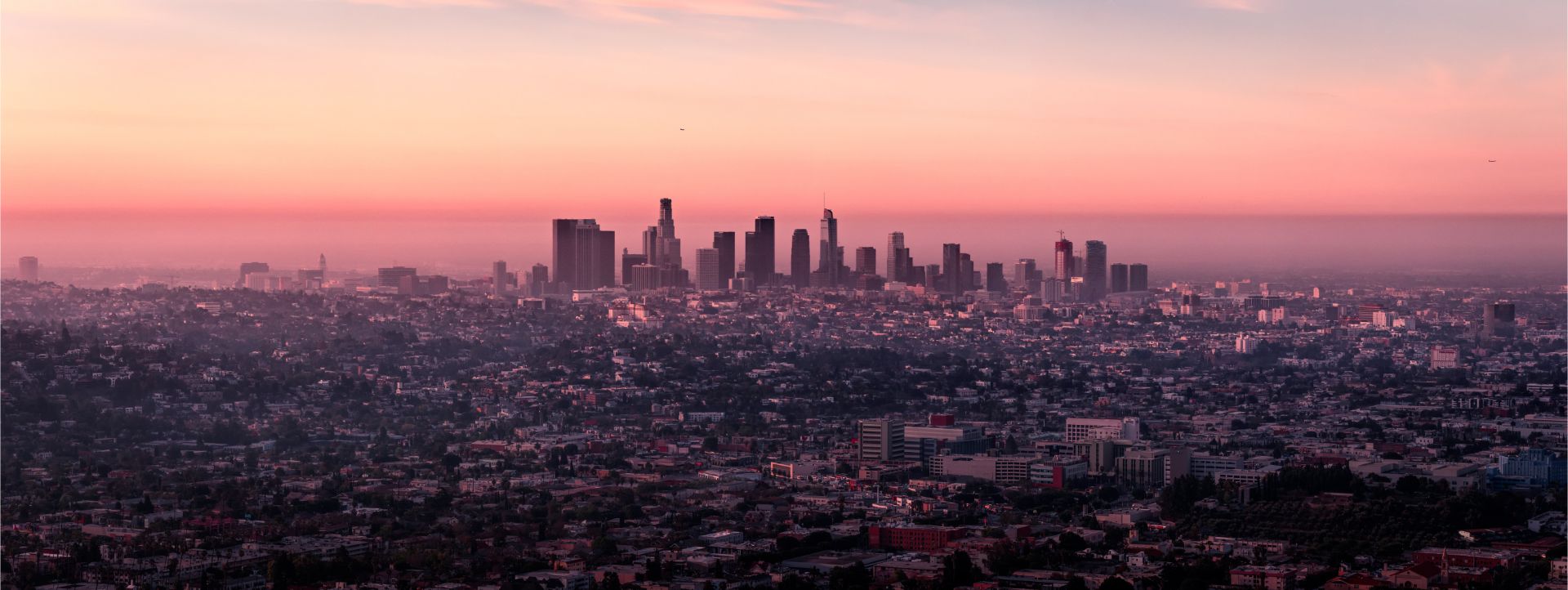
Full Width Architecture Photography Showcase
The landscape of AI architecture photography tools is diverse, ranging from mobile apps with perspective correction to professional software with advanced architectural enhancement features. Popular platforms like Adobe Photoshop, specialized architectural photography tools, and even smartphone apps have integrated AI features that make professional-quality architectural photography accessible to everyone.
For architectural photographers, AI tools offer significant advantages in achieving technically perfect results. Features like automatic line straightening help ensure vertical lines are perfectly vertical, while perspective correction can fix distortion caused by shooting angles. These capabilities are particularly valuable when photographing tall buildings where perfect lines are essential for professional results.
When using AI for architectural photography, it's important to maintain the character and authenticity of the building. The goal should be to enhance technical perfection while preserving the unique qualities that make each structure special. The most successful AI-assisted architectural photographs are those that combine perfect lines with creative interpretation of the space.
AI is not replacing the photographer's understanding of architecture, eye for composition, or appreciation of built environments—it's providing powerful tools that help realize that vision more effectively. The human elements of architectural photography—understanding design principles, finding unique angles, and capturing the essence of a space—remain as important as ever.
The future of architectural photography lies in this harmonious integration of AI technology and architectural knowledge. Photographers who embrace these tools while maintaining their deep appreciation for built environments will be well-positioned to create stunning, technically perfect images that celebrate the art of architecture.
Aaron Pott
Aaron Pott is a creative designer passionate about crafting intuitive user experiences and modern web interfaces.