

Travel photography captures the essence of places you visit, creating lasting memories and sharing your experiences with others. Whether you're exploring distant countries or documenting local adventures, understanding the fundamentals of travel photography will help you create images that transport viewers to the places you've been. This guide covers essential techniques for successful travel photography.
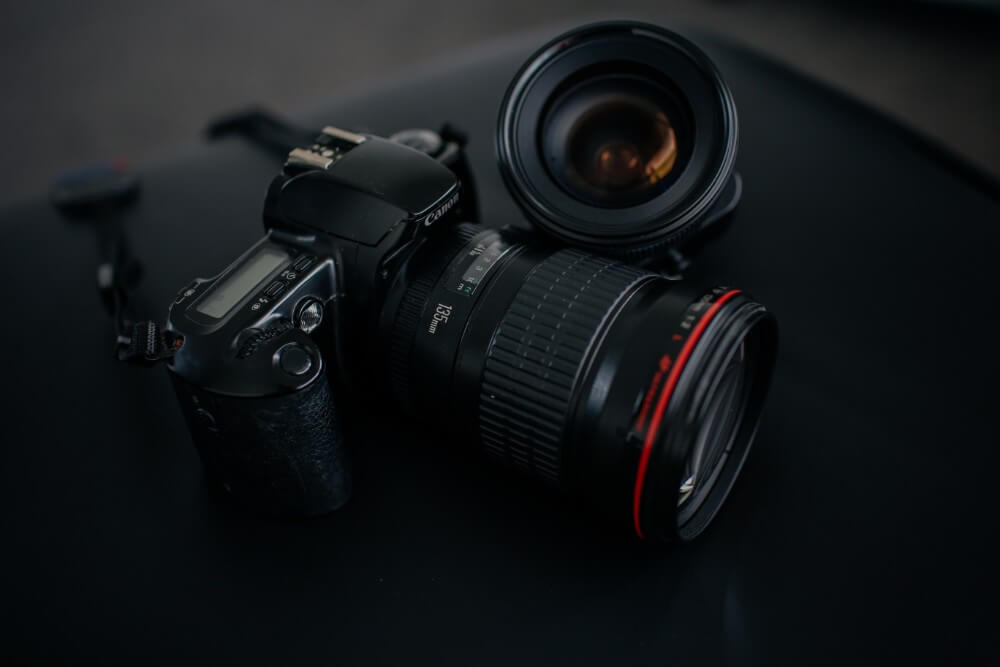
Choosing the right equipment for travel photography involves balancing capability with portability. A versatile zoom lens allows you to capture everything from wide landscapes to distant details without changing lenses frequently. A compact camera system reduces weight and bulk, making it easier to carry your gear throughout long days of exploration. Don't forget essentials like extra batteries, memory cards, and a portable charger—these items are often overlooked but crucial for successful travel photography.
Research and planning are key to capturing great travel photographs. Study your destination beforehand to understand its culture, landmarks, and photographic opportunities. Learn about local customs and photography etiquette—some places may have restrictions on photography or require permits. Planning helps you make the most of your time and ensures you don't miss important shots while you're traveling.
"Travel photography is about capturing the feeling of being somewhere, not just what it looks like. The best travel images transport viewers to distant places and make them feel like they're experiencing the journey with you."
Essential techniques for travel photographers:
- Travel light with versatile, portable gear
- Research destinations for photographic opportunities
- Capture both iconic scenes and everyday moments
Camera Settings for Travel
Travel photography often requires adapting to quickly changing conditions, so versatility in your settings is important. Aperture priority mode allows you to control depth of field while letting camera adjust shutter speed. Auto ISO with an upper limit of 1600-3200 helps you adapt to varying light levels. Consider using back-button focus for faster, more reliable autofocus. The key is to be familiar enough with your camera that you can adjust settings quickly without missing shots.
# Travel photography settings calculator
def travel_settings(scene_type, lighting_condition):
    """
    Calculate optimal settings for travel photography
    """
    if scene_type == 'landscape':
        return {
            'aperture': 'f/8 - f/11',
            'shutter_speed': '1/60 - 1/250',
            'iso': '100 - 200',
            'focus': 'Manual focus at infinity'
        }
    elif scene_type == 'street_scene':
        return {
            'aperture': 'f/5.6 - f/8',
            'shutter_speed': '1/125 - 1/500',
            'iso': '200 - 800',
            'focus': 'Zone focus or autofocus'
        }
    else:
        return {
            'aperture': 'f/4 - f/5.6',
            'shutter_speed': '1/60 - 1/250',
            'iso': '100 - 400',
            'focus': 'Autofocus'
        }
Telling Stories Through Images
The best travel photography tells a story about the places you visit. Instead of just capturing iconic landmarks, look for images that convey the feeling and culture of a destination. Photograph local people going about their daily lives, street scenes that show the character of neighborhoods, and details that might seem mundane but are unique to your location. These images create a more complete and authentic picture of your travels.
Lighting is crucial for travel photography, and you'll often need to work with whatever conditions you encounter. Early morning and late afternoon provide beautiful, warm light that's ideal for landscapes and architecture. Midday sun can be harsh but creates strong contrasts and shadows that can be used creatively. Overcast days offer soft, even illumination that's perfect for portraits and street photography. Understanding how to use light in all conditions will make you a more versatile travel photographer.
Composition principles apply to travel photography, helping you create more compelling images. The rule of thirds works beautifully for positioning landmarks and subjects within your frame. Leading lines like roads, rivers, or architectural elements guide the viewer's eye through your image. Including people in travel photographs adds scale and human interest, making destinations feel more alive and relatable.
Respect for local culture and people is essential in travel photography. Always ask permission before photographing people, especially in close-up portraits. Be aware of religious or cultural sites where photography might be restricted or inappropriate. Remember that you're a guest in the places you visit, and respectful photography ensures that travelers continue to be welcomed and that local customs are preserved.
Spontaneity is what often makes travel photographs special. While planning and research are important, be open to unexpected opportunities and serendipitous moments. Some of your best travel images will come from chance encounters, unexpected weather, or simply wandering without a specific destination in mind. Balance your shot list with flexibility to capture the unexpected magic of travel.
Post-processing can enhance your travel images while maintaining authenticity. Adjust exposure and contrast to bring out details and create the mood you experienced. Careful color correction ensures accurate representation of the places you visited. Crop thoughtfully to improve composition while maintaining the context that makes travel images meaningful. The goal is to enhance the story your images tell about your journey, not to create unrealistic or overly processed-looking photographs.
Robin Tood
Robin Tood is a digital marketing strategist helping brands grow their online presence through content and SEO.