

AI is transforming drone photography, making it easier than ever to capture stunning aerial images with intelligent automation and precision. From automated flight planning and obstacle avoidance to intelligent composition suggestions and real-time exposure adjustments, AI tools are empowering drone photographers to achieve professional-quality results with minimal manual intervention. These technologies enable photographers to capture unique perspectives that were previously difficult or impossible to obtain.
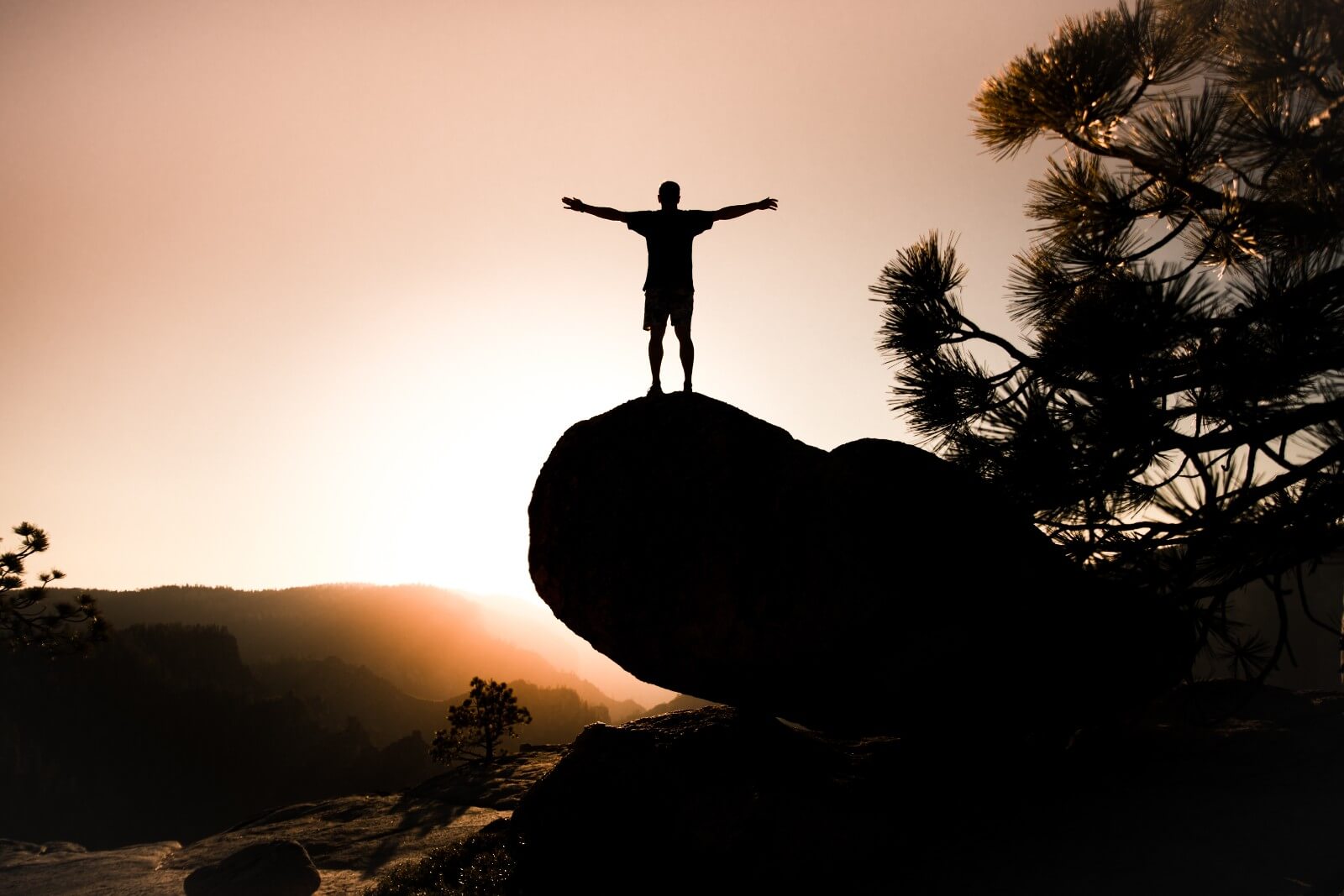
Modern AI drone photography systems can analyze environments in real-time, identifying optimal flight paths, understanding terrain, and suggesting perfect compositions. These systems learn from millions of aerial photographs, understanding the visual language of drone photography—angles, lighting, and the subtle patterns that make aerial images truly compelling. Whether you're shooting landscapes, real estate, or events, AI assistants can help you capture the perfect aerial shot.
The impact of AI on drone photography extends beyond just capturing images. Advanced systems can now help with automated flight planning, intelligent subject tracking, and even creating 3D models from aerial imagery. This assistance is particularly valuable for drone photographers who need to cover large areas efficiently while maintaining consistent quality across all shots.
"Drone photography offers perspectives that ground-based photography simply cannot achieve. AI tools help drone pilots navigate safely and capture these unique angles with precision, opening up new creative possibilities for aerial imaging."
Essential AI features for drone photographers:
- Automated flight planning and obstacle avoidance
- Intelligent composition and framing assistance
- Real-time exposure and color optimization


The Technology Behind AI Drone Photography
At the core of modern AI drone photography systems are sophisticated algorithms that can analyze aerial environments and make intelligent decisions in real-time. These systems use neural networks trained on vast datasets of aerial imagery to recognize terrain patterns, understand optimal flight paths, and identify perfect compositions. The technology has advanced to the point where AI can automate complex flight maneuvers while ensuring safety and image quality.
import cv2
import numpy as np
from tensorflow.keras.models import load_model

# Load AI drone photography assistant
drone_model = load_model('drone_photography_assistant.h5')

def plan_and_capture_flight(area):
    # Analyze terrain and plan flight
    terrain = analyze_terrain(area)
    flight_path = drone_model.predict({
        'terrain': terrain,
        'weather': check_weather_conditions(),
        'regulations': check_air_space(area)
    })

    # Capture with intelligent composition
    images = capture_with_ai_composition(flight_path)
    return images
Full Width Drone Photography Showcase
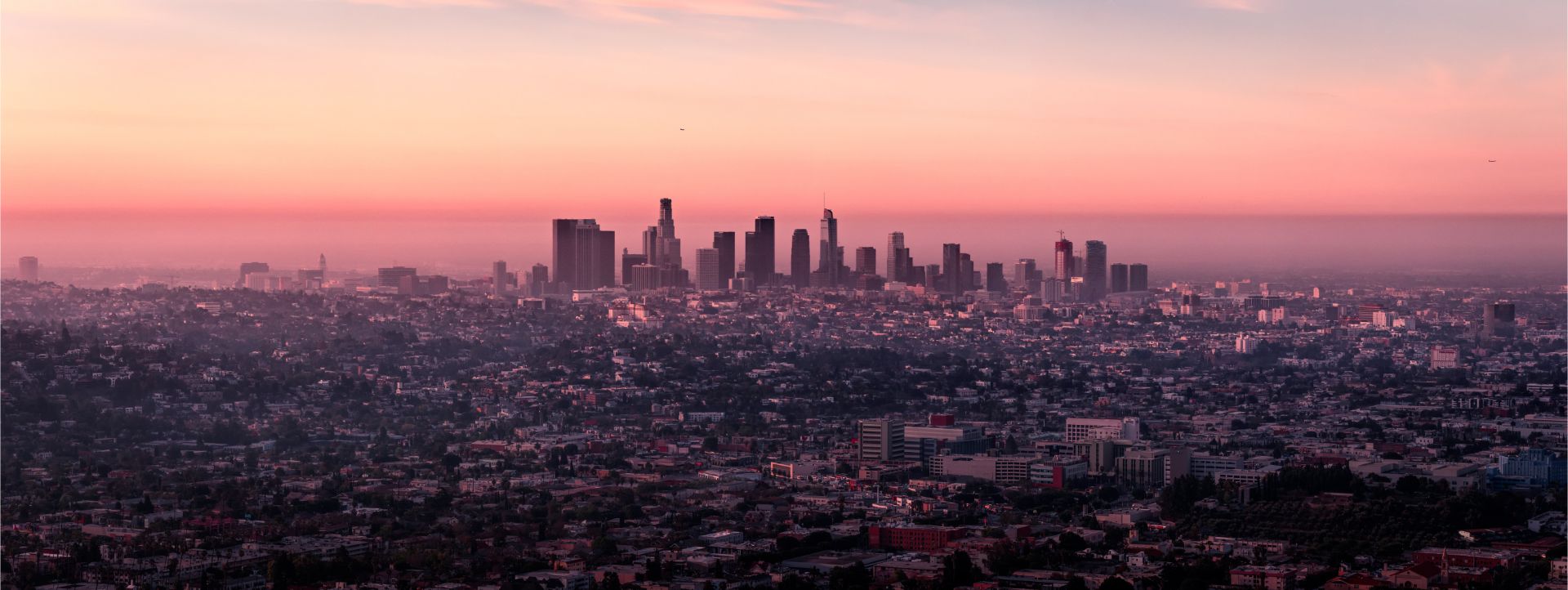
The landscape of AI drone photography tools is diverse, ranging from consumer drones with intelligent flight modes to professional systems with advanced autonomous capabilities. Modern drone platforms from companies like DJI, Autel, and Skydio have integrated AI features specifically designed for aerial photography, while specialized software offers AI-powered flight planning and post-processing.
For drone photographers, AI tools offer significant advantages in capturing professional-quality aerial images efficiently. Features like automated flight planning help ensure optimal coverage of target areas, while intelligent composition assistance suggests the best angles and framing. These capabilities are particularly valuable when shooting large properties, events, or landscapes where manual flight planning would be time-consuming and error-prone.
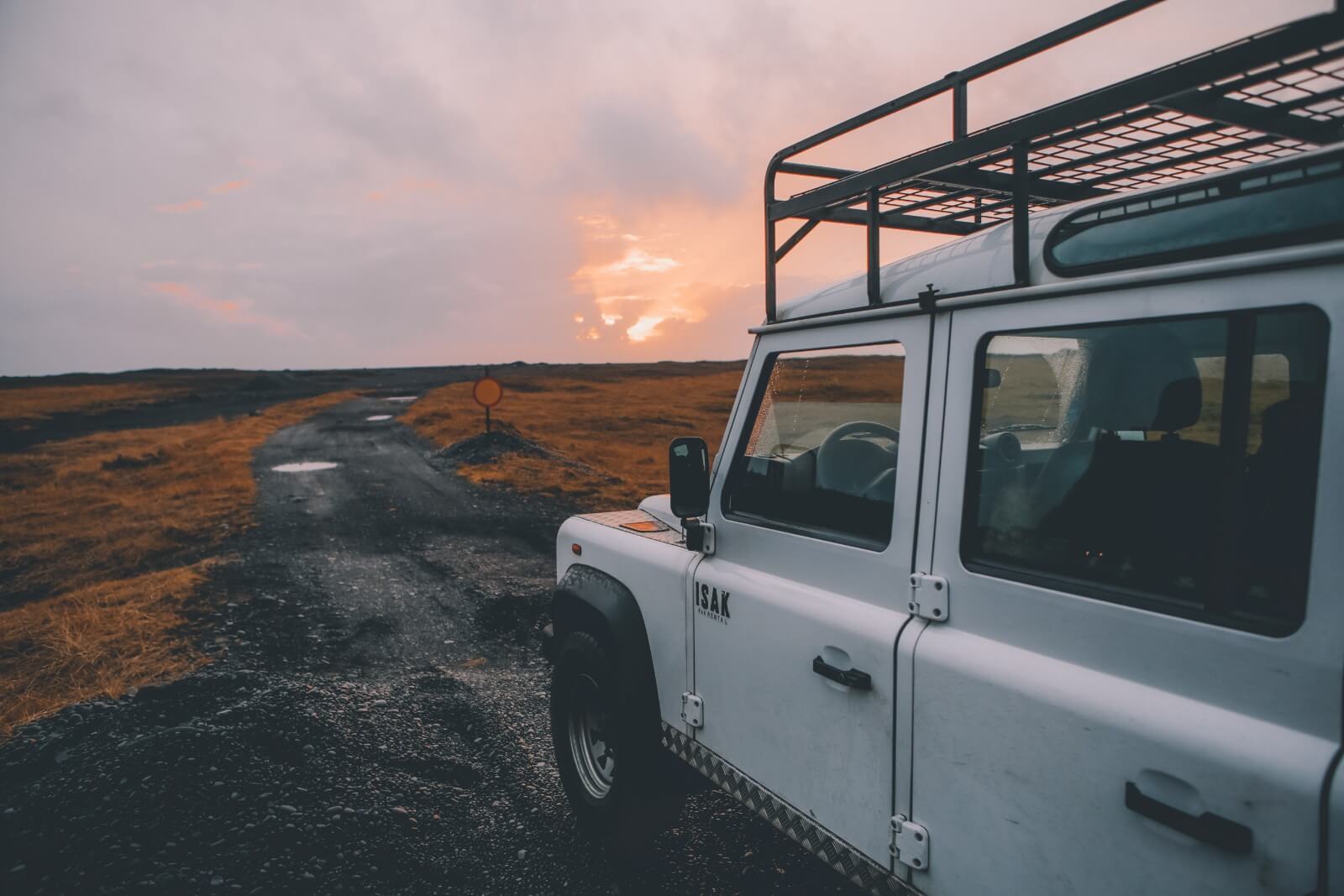
When using AI for drone photography, it's important to maintain safety and comply with aviation regulations. The goal should be to enhance your ability to capture stunning aerial images while ensuring responsible drone operation. The most successful AI-assisted drone photographs are those that combine unique perspectives with technical excellence and safety consciousness.
AI is not replacing the drone pilot's skill, understanding of aerial photography, or creative vision—it's providing powerful tools that help realize that vision more effectively and safely. The human elements of drone photography—understanding regulations, planning flights, and capturing compelling compositions—remain as important as ever.
The future of drone photography lies in this harmonious integration of AI technology and aerial expertise. Photographers who embrace these tools while maintaining their commitment to safety and quality will be well-positioned to create stunning, unique images that showcase the world from above.
Themeix
Themeix is a creative agency crafting beautiful Jekyll themes and modern web solutions for businesses worldwide.